
How Micro Market Restocking and Maintenance Works
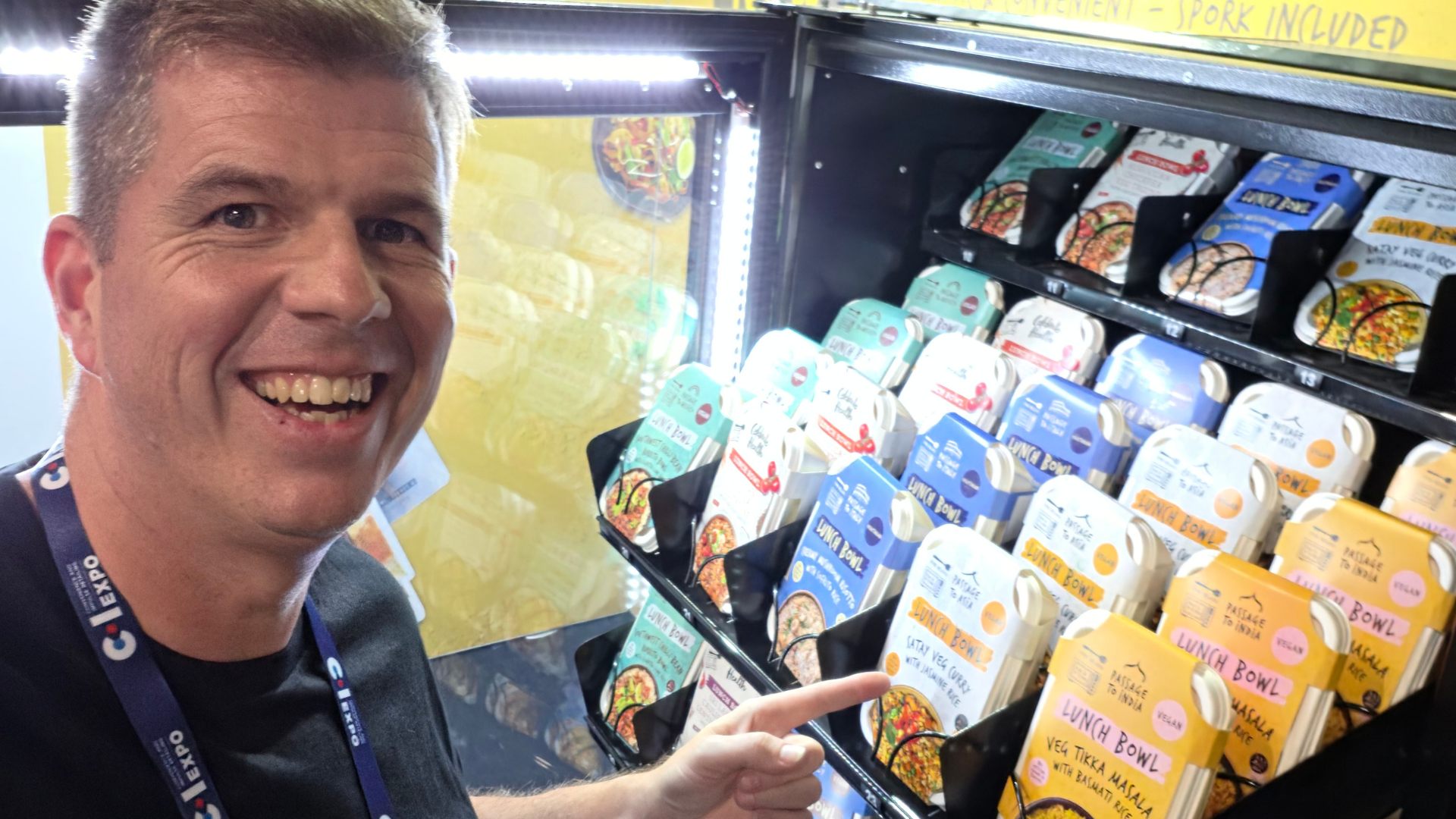
One of the most common questions businesses ask before installing a workplace micro market is:who takes care of it?
It’s a fair question. Open shelving, fresh food fridges, smart kiosks and digital payment systems are a significant step up from a traditional vending machine. The assumption is that something this sophisticated must require constant attention from your team.
It doesn’t.
That’s one of the biggest advantages of a fully managed micro market, your workplace gets all the benefits of a modern self-serve convenience store without any of the operational burden falling on your staff. Here’s exactly how it works.
The Technology Behind the Scenes
Modern workplace micro markets don’t run on guesswork. Every unit is connected to a real-time monitoring system that tracks stock levels, sales data and equipment performance around the clock.
When an employee grabs a drink or picks up a meal, that transaction is recorded instantly. The system knows what was taken, what’s running low and what needs to be replaced. This data feeds directly to the service team, allowing them to plan restocking visits based on actual demand rather than a fixed schedule.
Smart fridges take this a step further. Temperature, stock levels and product freshness are all monitored continuously. If something falls outside the acceptable range, the system flags it — often before anyone on-site would even notice.
This kind of remote monitoring is what makes the hands-off model possible. Your team doesn’t need to check the fridges, count stock or report problems. The technology handles it automatically.
How Micro Market Restocking Works
Demand-Driven Scheduling
Unlike traditional vending machines that are serviced on a fixed weekly or fortnightly run, micro markets in Sydney and Melbourne are restocked based on real consumption data.
High-traffic items — like cold drinks, fresh meals and popular snacks — are replenished as often as needed. Slower-moving products get topped up on a longer cycle. The result is that your most popular items are almost always available without overstocking things that don’t move.
This smart restocking approach also reduces food waste significantly. Rather than delivering the same fixed order every time, the service team brings exactly what’s needed based on what your team has actually been buying.
Fresh Food Rotation
Fresh food is where micro markets genuinely change the game for workplaces. Options like salads, sandwiches, wraps and ready-to-eat meals are rotated regularly to ensure nothing sits on the shelf past its best.
Products like the My Muscle Chef range, which includes high-protein meals, balanced bowls and grab-and-go snacks, are particularly popular in workplace micro markets because they offer genuine nutritional value alongside great taste. Keeping these products fresh and consistently stocked is a priority in every service visit.
Expiry dates are checked and products are removed before they become an issue. Your employees never have to guess whether something is still good — it always is.
Seasonal and Product Updates
Workplace preferences change. What employees want in summer is different from what they reach for in winter. A well-managed micro market adapts to this.
Product ranges are reviewed periodically and updated to reflect seasonal demand, new products and feedback from your team. If a particular item becomes a favourite, it gets stocked more consistently. If something isn’t moving, it gets swapped out for something better.
This ongoing product curation is something a traditional vending machine simply can’t offer.
Maintenance: What Gets Looked After
Equipment Servicing
Micro market technology — from the self-checkout kiosk to the smart fridges and shelving — is built for reliability. But like any equipment, it needs regular attention to stay in top condition.
Routine maintenance covers cleaning, calibration of payment systems and checks on refrigeration performance. Service technicians are trained to identify minor issues before they become bigger problems, keeping your micro market running smoothly between visits.
Rapid Response for Issues
If something does go wrong – a kiosk error, a fridge temperature alert or a payment system glitch – it gets flagged through the remote monitoring system immediately. A technician is dispatched to resolve it without your team needing to log a call or chase anyone up.
This fast response model is one of the key differences between a properly managed micro market solution and trying to manage food service in-house. Problems get fixed quickly and professionally, with no disruption to your employees’ day.
Cleaning and Presentation
A micro market that looks messy or disorganised doesn’t get used the same way as one that’s clean and well-presented. Technicians don’t just restock – they tidy shelving, wipe down surfaces, check signage and make sure the overall presentation is sharp.
This matters more than it might seem. A well-maintained micro market reflects well on the workplace itself and signals to employees that the business cares about the quality of their environment.
What Your Business Actually Has to Do
Once your micro market is installed, the service model takes over completely. There’s no stock ordering, no fridge checks, no calling for repairs and no roster management.
Your responsibilities are essentially limited to:
- Providing access to the space for service visits
- Sharing any feedback on product preferences or employee requests
- Contacting the service team if something seems off (though the monitoring system usually catches issues first)
That’s it. Everything else is handled.
This fully managed approach is why micro markets have become such a popular choice for offices, warehouses, hospitals and large facilities across Australia. Businesses get a premium food and beverage solution without adding any workload to their internal teams.
How Restocking Differs by Market Size
The restocking frequency and process varies depending on the size and setup of the micro market.
Compact office micro markets with a single smart fridge and snack shelving typically need restocking a few times per week, depending on team size and usage patterns.
Medium workplace micro markets — the most common configuration for offices and distribution centres — are usually serviced multiple times a week. Fresh food rotation happens more frequently given the larger range of perishables.
Large micro markets and autonomous convenience stores in high-traffic environments like hospitals, universities or manufacturing plants may require daily service visits during peak periods. The volume of transactions and the breadth of the product range make frequent restocking essential.
In every case, the smart monitoring system guides the schedule so service visits are efficient and stock is always where it needs to be.
Why This Model Works for Australian Workplaces
Australian businesses have increasingly moved away from traditional vending machines not just because of the product limitations, but because of the maintenance headaches. Mechanical jams, cash refund issues and outdated equipment aren’t problems that workplaces want to manage.
The fully managed micro market model flips this entirely. The operational complexity sits with the service provider, not the business. Your team gets a modern, well-stocked food solution and your facilities manager doesn’t need to add vending to their to-do list.
For businesses in Sydney and Melbourne specifically, having a local service team that knows your site, understands your workforce and can respond quickly makes a real difference. It’s not a remote provider sending generic stock orders — it’s a team that’s invested in keeping your micro market performing at its best.
Getting Started
If you’ve been on the fence about upgrading from traditional vending to a workplace micro market, the restocking and maintenance model is one less thing to worry about.
Whether you’re running a busy Sydney office, a Melbourne warehouse or a large multi-site operation, a fully managed micro market means your employees always have access to fresh, quality food, and you never have to think about how it gets there.
Get in touch with the Qualityvend team today to find out how easy it is to get started.