
Coffee on Campus After the Café Closes: Why University Coffee Vending Machines Make Sense
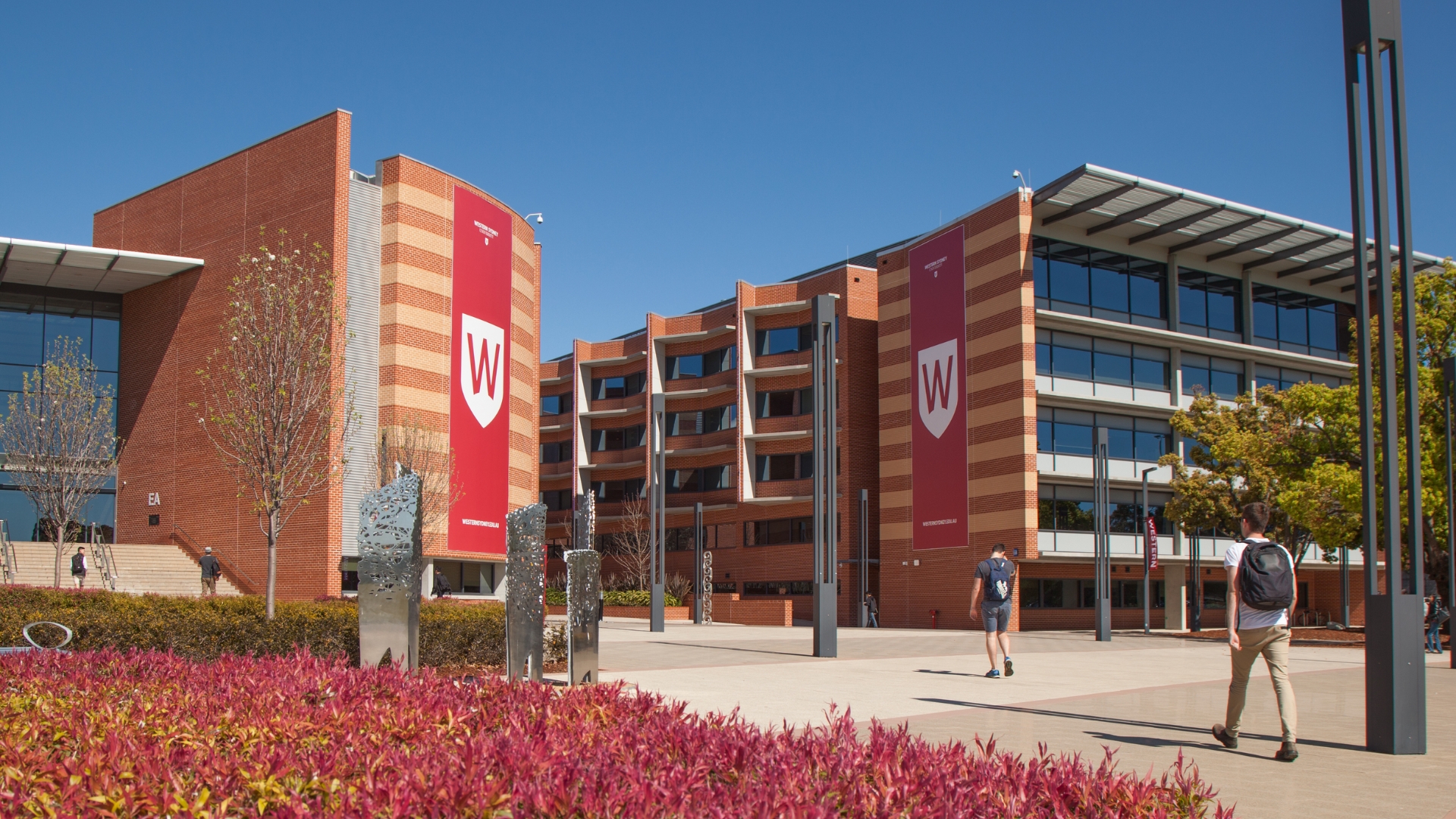
University life has never fitted neatly into a nine to five schedule. Students settle into the library well after dinner, postgraduate researchers run experiments that do not pause for trading hours, and facilities and security teams start their shifts long before the first café opens its roller door. Yet on most Australian campuses, the moment the last barista goes home, quality coffee becomes surprisingly hard to find.
That gap is why university coffee vending has moved from a nice-to-have to a genuine part of campus service planning. Modern commercial vending machines produce a considerably better cup than the instant-powder units many people still picture, and they run without staffing, rostering or penalty rates. For facilities and operations teams looking to extend refreshment services without extending payroll, they solve a very practical problem.
Why After-Hours Coffee Matters on University Campuses
Australian campuses are busier outside standard hours than they have ever been. Part-time enrolment, postgraduate coursework aimed at working professionals, and international cohorts keeping in touch with family and study groups across time zones all push activity into the evenings and weekends. That reshapes when buildings are actually occupied, and it spreads demand well beyond the traditional lunchtime peak.
Several trends are driving demand for after-hours coffee:
- Extended and 24-hour library access. Many universities keep learning hubs open until midnight, or around the clock during assessment periods.
- Evening lectures and postgraduate timetabling. Coursework aimed at working professionals routinely runs from 6pm to 9pm.
- Research laboratories. Experiments, imaging schedules and clinical placements do not observe café hours.
- Student accommodation. On-campus residents want something closer than a late-night drive to the nearest servo.
- Shift-based staff. Cleaning, security, grounds and maintenance crews often start before dawn.
- Weekend study. Saturday and Sunday are peak library days for part-time students, but among the quietest for retail food outlets.
Staff working these hours are worth considering separately.Safe Work Australia’s guidance on managing fatigue risks treats night work and irregular hours as hazards that need active management, including regular breaks during shifts. A coffee machine is not a fatigue control in itself, but accessible amenities make those breaks easier to actually take on a campus where nothing else is open.
Expectations have shifted too. Students comparing institutions notice campus convenience, as do staff and visitors based in buildings a fair walk from the main food precinct. Many universities are also reviewing their broaderuniversity vending machine and micro market solutions to provide reliable access to food and drinks beyond traditional café hours, helping improve the overall campus experience.
Why Traditional Campus Cafés Can’t Meet Every Need
None of this is a criticism of campus cafés. They are central to the social life of a university and they do things a machine never will. The issue is coverage, not quality.
Cafés face structural limits that are difficult to design around:
- Trading hours. Most outlets close between 3pm and 5pm, and many shut entirely over semester breaks when research staff and international students remain on site.
- Staffing economics. Keeping an outlet open for a thin evening trade rarely covers wages, particularly with weekend and evening penalty rates.
- Campus geography. Larger universities spread across dozens of buildings, and a health sciences precinct or engineering faculty can sit ten minutes’ walk from the nearest café.
- Peak-time queues. Between back-to-back lectures, a fifteen-minute queue is the same as no coffee at all.
- Budget pressure. Facilities teams are being asked to improve amenity while holding operating costs flat.
University coffee vending is best understood as infill. It covers the hours, buildings and quiet periods that a staffed outlet cannot serve profitably, which means the café keeps its lunchtime trade while the campus gains service around it.
Where University Coffee Vending Machines Deliver the Most Value
Placement matters far more than machine count. The sites that consistently justify their footprint are those with long occupancy hours and poor proximity to retail food:
- Libraries and 24-hour study zones, where late-evening demand is predictable and concentrated.
- Student learning hubs and common areas used between classes.
- Engineering, science and IT faculties, often located on campus fringes.
- Medical, nursing and allied health schools, where clinical simulation sessions run early and late.
- Research centres and laboratory buildings with irregular occupancy.
- Student accommodation foyers and shared kitchens.
- Administration buildings and staff rooms, particularly where staff currently leave site for coffee.
A useful test for facilities teams: if occupants of a building routinely walk more than five minutes for coffee, or leave campus entirely, that building is a candidate. Integrateduniversity vending machines and micro markets can extend the same logic further, turning an underused foyer into a small unattended retail space.
The Benefits of Modern University Coffee Vending
The technology has changed substantially over the past decade, and the operational case has changed with it.
Genuine 24/7 Availability
A machine serves at 2am on a Sunday during exam block exactly as it does at 10am on a Tuesday, which supports the promise universities make when they market round-the-clock study facilities.
Consistent Coffee Quality
Current bean-to-cupcoffee vending machines grind fresh beans per serve, use pressurised brewing and offer espresso, flat white, latte, cappuccino and long black, with dairy and plant-based milk options. Every cup is dosed and extracted identically, which removes the variability of a busy café at peak hour.
Cashless Payments
Cashless vending machines are now the default across Australian campuses and workplaces rather than an upgrade. Tap-and-go cards, mobile wallets and, in many cases, student ID integration remove coin handling, cash collection risk and the classic complaint of a machine that will not take a note. It also speeds transactions and generates useful sales data by location.
Reduced Waiting and Faster Service
A drink is typically ready in under a minute. Between one lecture finishing and the next starting, that difference decides whether people bother at all.
Lower Operating Costs
There is no roster, no fit-out, no lease negotiation and no staffed outlet running at a loss through quiet periods. Machines are compact enough for corridors and foyers where a retail tenancy would never be viable.
Supporting Wellbeing and Staff Convenience
Late-night study and shift work are already demanding. Having somewhere warm and close to pause for two minutes is a small but real contribution to campus refreshments and student experience. For staff, it removes the twenty-minute round trip off campus that quietly costs productive time.
More Than Just Coffee
Late-night study rarely creates demand for coffee alone. Campuses that pair coffee with food and cold drinks in the same location tend to see far better utilisation, because the machine becomes a destination rather than a single-purpose stop.
Complementary options commonly include:
- Fresh meals and ready-to-eat protein meals
- Sandwiches, wraps and salads
- Healthier snack ranges alongside traditional confectionery
- Cold drinks, sparkling water and juices
- Energy drinks and functional beverages
Many universities also choose to installhealthy vending machines alongside coffee solutions, giving students and staff convenient access to more nutritious snacks and drinks throughout the day and after café hours.
For campuses with strong health and sport faculties or busy gym facilities, chilled options such asMy Muscle Chef vending machines give students and staff a proper meal rather than a snack when nothing else is trading. Combined coffee and fresh food installations create a far more complete after-hours refreshment solution than either does alone.
How Campus Coffee Fits Into a Wider Vending Strategy
University coffee vending is rarely deployed on its own. On most campuses it forms one part of a broadervending machines Australia strategy that also takes in snack, drink, healthy food and fresh meal vending across multiple buildings, coordinated through a single provider.
Facilities teams tend to think in coverage maps rather than individual units. A typical rollout combines:
- A bean-to-cup coffee machine in the library, paired with a snack unit
- Chilled drink and fresh meal machines in residential colleges
- Healthy vending in sport, health and recreation precincts
- A small micro market in a high-traffic student hub, replacing several standalone machines
This mirrors how Australian vending machines are being used across hospitals, transport hubs and 24-hour workplaces: unattended retail applied to a large site with uneven occupancy. Modern vending machines are networked, cashless and monitored remotely, so a facilities manager can see stock levels and fault data across every site instead of relying on reports from building staff. Consolidatingvending machine solutions across Australian campuses under one agreement also simplifies procurement, reporting and service escalation, which matters for institutions running several campuses.
Choosing the Right University Coffee Vending Partner
Campus environments are demanding. High traffic, seasonal peaks, dispersed buildings and restricted after-hours access all test a supplier. When assessing providers, look closely at:
- Equipment reliability and build quality. Consumer-grade machines fail under campus volumes.
- Coffee and product quality. Request a tasting before committing to a bean and milk specification.
- Cashless payment technology, including card, mobile wallet and contactless compatibility.
- Remote monitoring and telemetry. Machines that report stock levels and faults automatically get restocked and repaired before anyone lodges a complaint.
- Service response times. Ask for defined response windows, not general assurances.
- Product flexibility. Ranging should differ between a nursing school, a residential college and an administration building.
- National service capability, which matters for multi-campus institutions.
- Educational sector experience. Semester peaks, break-period slowdowns and campus access protocols are not obvious to suppliers who only service offices.
Ask about commercial models too. Fully managed vending machines, where the provider owns, stocks, services and maintains the equipment, remove capital expenditure and the internal labour of managing consumables.
Why Australian Universities Choose Qualityvend
Qualityvend works with universities across Australia to deliver fully managed vending solutions built around how campuses actually operate. That includes modern coffee vending technology, cashless payment systems, flexible product ranges tailored to each building, and reliable maintenance and replenishment supported by remote monitoring.
Coffee is one part of that offering. The same managed model covers snack, chilled drink, healthy food and fresh meal machines, so campus vending machines can be planned as a single connected service rather than a collection of separate agreements. Because installations are configured location by location, a library machine can be ranged very differently from one in a residential college or a staff amenities room.
Service coverage spans metropolitan and regional campuses across Australia. Because every university has different operational requirements, solutions can be tailored to individual buildings, campuses or multi-campus institutions, ensuring consistent service, product availability and ongoing support.
Bringing Coffee to the Hours Your Campus Actually Runs
Campuses no longer operate on a single timetable, and refreshment services need to reflect that. University coffee vending is a straightforward way to extend quality coffee into the evenings, weekends and semester breaks when cafés are closed, without adding staffing costs or committing to new retail space. Done well, and planned alongside the wider campus vending machines already serving snacks, cold drinks and fresh meals, it supports students studying late, staff working early and visitors moving between buildings, while leaving existing cafés to do what they do best.
If you are reviewing campus amenities for the year ahead, it is worth mapping which of your buildings lose coffee access after 4pm. Get in touch with Qualityvend to discuss university vending solutions or arrange a consultation for your campus.