
How Vending Machines Are Changing Convenience Across Sydney
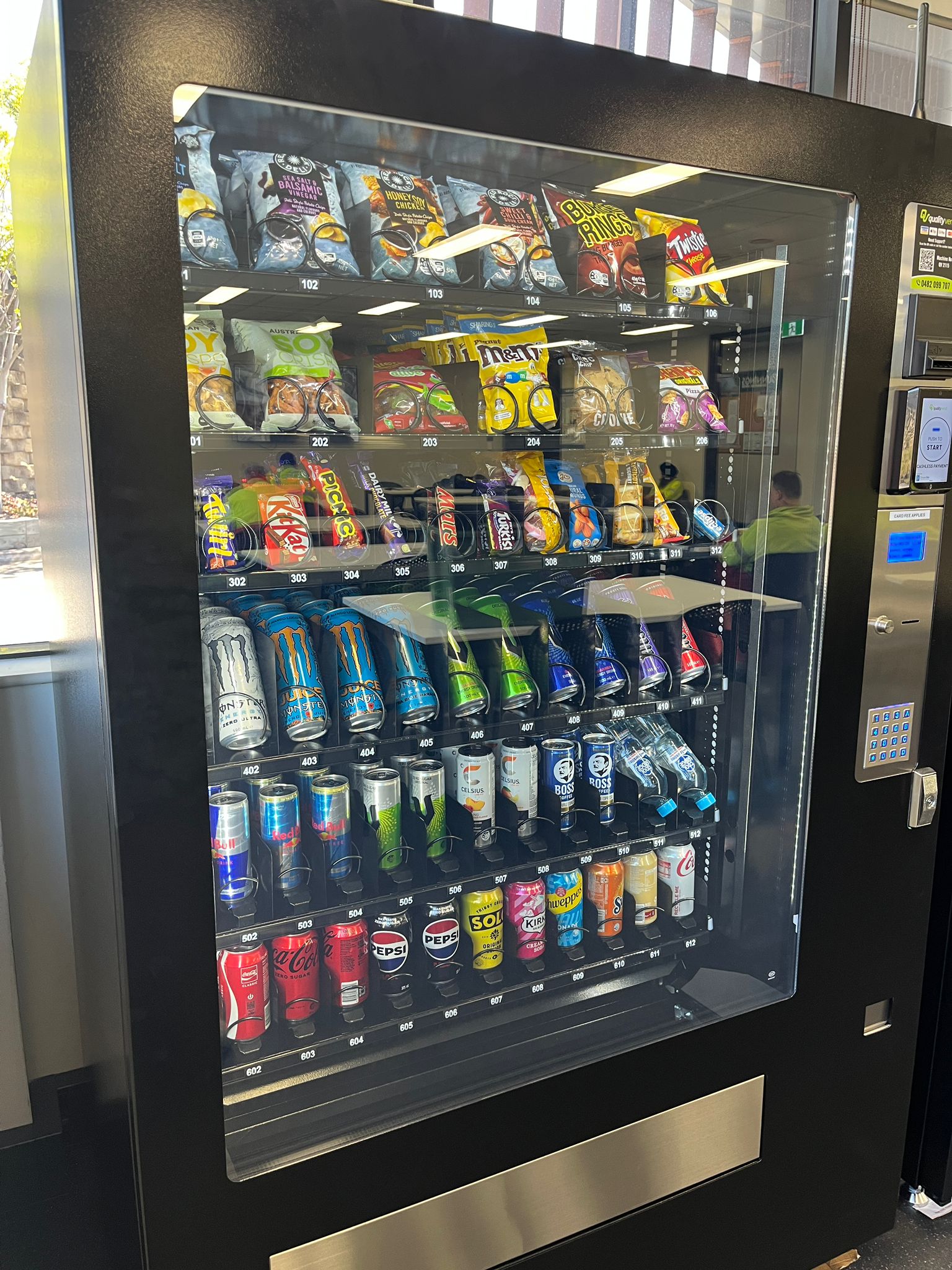
Sydney is one of the busiest and most diverse commercial cities in Australia. From the offices in the CBD to the industrial estates out west, and the hospitals, campuses and hotels across the metro area, thousands of people are on the move at all hours. That activity creates a simple but ongoing need: quick, reliable access to food and drinks, often at times and in places where a shop is not close by.
Traditional retail does not always fill that gap. Shops keep set trading hours, and the nearest café or convenience store might be a few blocks away, up several floors, or closed by the time a late shift starts. For a night worker, a shift nurse, or a student between classes at 9pm, that distance matters.
This is whereSydney vending machines have quietly become more useful. Modern machines act as a form of unattended retail that works around the clock, sitting inside the buildings where people already are. They have moved well past the clunky coin-operated units many of us remember, and they now offer a flexible way to provide refreshments without running a staffed shop.
Convenience Is Changing Across Sydney
People's expectations around access to food and drinks have shifted. We are used to getting things quickly, and waiting until a shop opens or walking a long way for a cold drink feels increasingly out of step with how the city runs.
A big part of this is access outside standard trading hours. Plenty of Sydney workplaces, facilities and public spaces operate early mornings, late nights and weekends. Retail hours rarely match that pace, so having something available on site fills a real gap.
There is also the practical side of location. Relying on nearby shops assumes they are close, open and easy to reach. In a high-rise office, a large warehouse, or a hospital wing, a five-minute walk each way adds up and pulls people away from what they are doing. Having refreshments inside the building is simply more practical, and it is one reason interest in vending machines Sydney wide has grown across so many different settings.
From Traditional Machines to Modern Vending
The vending machine has changed a lot. Older units were limited to a narrow range of snacks and soft drinks, took only coins, and often left you guessing whether your selection would actually drop.
Today'smodern vending machines are a different experience. Most now accept cashless and contactless payments, so a tap of a card or phone is all it takes, and digital payment options make transactions quick and reliable. Product presentation has improved too, with clear glass fronts, better lighting and digital screens that make choices easy to see.
Refrigeration has opened up what machines can hold, allowing chilled drinks, fresh food and even full meals rather than just packaged snacks. Product variety has grown to match, and operators can tailor the mix to suit the people using a particular machine.
Behind the scenes, remote monitoring and stock management let operators see what is selling and what is running low without checking each machine in person. Machine configurations have also become more flexible, so a setup can be matched to the space and the type of location it serves.
Where Vending Machines Are Being Used Across Sydney
One of the strengths of vending is how well it adapts to different environments, and you can see that right across the city.
Offices and commercial buildings use vending to give staff and visitors easy access to drinks and snacks without leaving the building, which helps keep the day moving. Warehouses and industrial facilities often sit away from shops and run long or rotating shifts, so on-site machines are a practical way to keep workers refreshed.
Hotels and accommodation providers use vending to offer guests food and drinks at any hour, including late arrivals and overnight stays when reception or room service may be limited.Universities and education campuses have large, mobile populations moving between classes and study sessions, and machines placed in busy areas help students grab something quickly.
Government facilities benefit from reliable, self-service options for staff and the public across long operating hours.Hospitals and healthcare environments have some of the clearest needs of all, with staff, patients and visitors present around the clock and little time to leave for a meal. Transport hubs, along with staff and visitor areas, round out the picture, giving people a convenient option exactly where they tend to need it.
Each of these settings has slightly different needs, but the common thread is access to refreshments close to where people are, at the times they need them.
What Can Modern Vending Machines Provide?
The range of products has broadened well beyond the classic chips and soft drink. It is more useful to think in categories than to picture a fixed list.
Cold drinks remain a staple, from water and soft drinks to juices and energy drinks. Snacks still have their place, covering everything from chips to biscuits and confectionery. Fresh meals such as sandwiches, salads and ready-to-eat options are now common in refrigerated machines.
There is also strong demand for healthier choices, andhealthy vending options like lower-sugar drinks, nuts, fruit and better-for-you snacks are increasingly part of the mix. Coffee and hot beverages are available through dedicated machines for those who want a warm drink on the go. Protein-focused products such as bars, shakes and yoghurts suit active users and busy shift workers, and everyday convenience items can be included where they make sense for a location.
The point is that the product mix can be shaped to fit the people using it, rather than forcing one selection on every site.
The Role of Cashless and Connected Vending
Technology has changed the vending experience as much as the products have. Card and mobile payments are now standard, and contactless purchasing means most people never need to carry cash to use a machine. That alone removes a common frustration and makes machines quicker to use.
Connected machines add another layer. Remote monitoring gives operators visibility over stock levels, so popular items can be topped up before they sell out. It also helps with faster issue identification, meaning a fault or an empty slot can be flagged and fixed sooner rather than being discovered by a disappointed customer.
Over time, the data from these systems helps inform product selection, showing which items sell well in a given location and which do not. That keeps machines stocked with what people actually want. These are practical, everyday improvements rather than dramatic claims, and they are a big reason cashless and connected vending has become the norm.
Why Location Matters
A vending machine only works well when it is placed where people naturally need refreshments, so it pays to think carefully aboutwhere you put a vending machine. The right spot makes all the difference.
Break areas and staff facilities are obvious homes for machines, since that is where people pause during the day. Reception and common areas suit visitors and anyone passing through, while student areas on campuses and accommodation areas in hotels match the rhythm of the people using them. High-traffic points within a building, such as near lifts or main walkways, tend to see the most use.
Beyond foot traffic, visibility and accessibility count. A machine that is easy to see and reach gets used, and stocking it with products relevant to that particular audience keeps it worthwhile.
Vending and the Changing Expectations of Convenience
Step back, and vending fits neatly into a broader trend. People increasingly expect convenient access to food and drinks throughout the day, not just during shop hours, and businesses and facilities are looking for ways to meet that expectation without running a staffed retail outlet.
Vending offers exactly that. It also does not have to stand alone. In many places it complements existing cafés, catering and nearby retail rather than replacing them, filling in the gaps for early mornings, late nights and quiet corners of a building. For larger or busier sites, it can sit alongsidemicro market solutions, which extend the self-service idea into an open, shop-style space with a wider range of products.
Choosing a Vending Solution for a Sydney Location
If you are considering vending for a site, a few practical factors help guide the decision.
Start with location and foot traffic, since the number of people and how they move through the space shapes everything else. Think about the product mix that suits your audience, and the operating hours the machine needs to cover. Consider payment preferences, keeping in mind that cashless is now expected, and whether you need refrigeration for chilled drinks and fresh food.
Machine size and configuration should match the available space, and it is worth planning for maintenance, servicing and stock replenishment so the machine stays reliable and full. For many sites, a managed service that handles stocking and upkeep is the simplest option, though the right choice depends on how hands-on you want to be.
The aim is a setup that quietly does its job.
Conclusion
Modern vending has become part of Sydney's wider convenience infrastructure. With cashless payments, refrigeration, connected monitoring and flexible configurations, machines can now provide food and drinks in far more locations and at far more times than before. Across offices, warehouses, hotels, campuses, government sites and healthcare facilities, they offer a practical way to meet the growing expectation of convenient access, complementing the shops and cafés already there. As that expectation keeps growing across Australia, vending looks set to remain a quiet but important part of how the city keeps everyone fed, refreshed and moving.