
Crib Room Planning for Industrial Sites: Facilities, Food and Shift Access
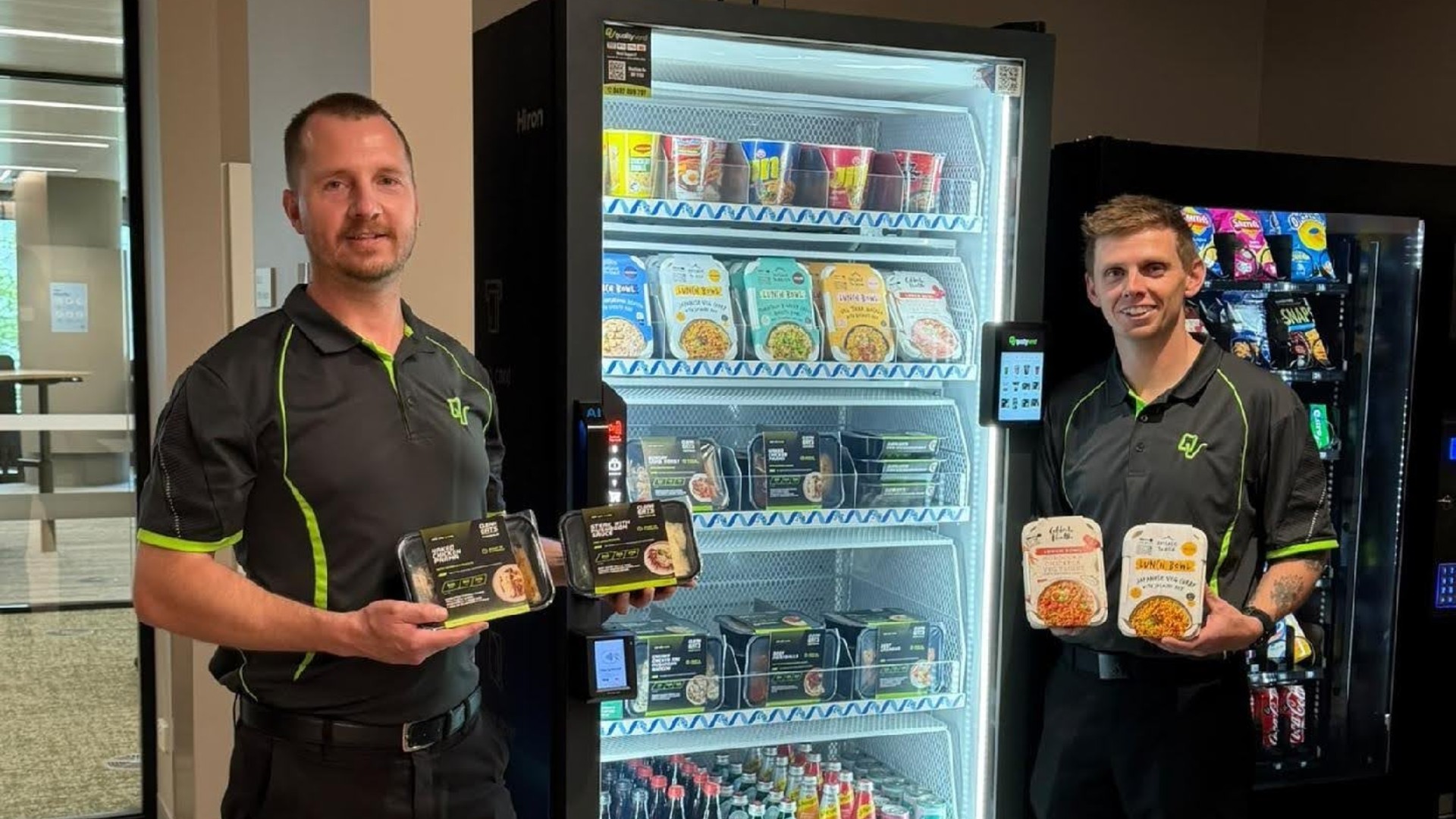
The crib room is one of the most used spaces on any industrial site, yet it is often the last one to get proper attention. It tends to be fitted out once, then left alone while headcount grows, shifts are added and the site changes around it. The result is a familiar picture: a crowded room at every break, a fridge too full to close, and a night shift with nowhere to buy anything to eat.
Getting the crib room right matters for more than comfort. It is where people rest, eat and rehydrate during physically demanding shifts, and it carries some clear expectations under work health and safety guidance. This guide covers what a well-planned crib room should include, how to plan around shift patterns, and where food and drink services such as vending machines and micro markets for industrial sites fit alongside the basics.
What WHS Guidance Expects From Break Facilities
Safe Work Australia's model Code of Practice on managing the work environment and facilities sets out practical guidance on welfare facilities, including drinking water and eating areas. Each state and territory adopts its own version, so it is worth checking which code applies to your site, but the core principles are broadly consistent.
Drinking water
Clean drinking water should be provided free of charge and available at all times. The guidance also suggests water should be easy to reach, close to hot or strenuous work, kept away from toilet and washing facilities, and kept cool.
This is an important point for anyone planning refreshments. A vending machine selling bottled water is a convenience, not a substitute for free drinking water. Fountains, chilled water dispensers or filtered taps should be in place first, with vending adding choice on top.
Eating facilities
The model code suggests a separate eating area where 10 or more workers usually eat at the same time, or where there is a risk of food being contaminated by work processes. For larger fixed workplaces, that area should be protected from the weather and separated from work processes, toilets and hazards.
It also outlines what the space should typically include:
- Enough tables and seating for everyone likely to eat at one time
- A sink with hot and cold water, plus a way to wash utensils
- A water-boiling appliance and a way to heat food, such as a microwave
- Clean storage, including a refrigerator for perishable food
- Vermin-proof rubbish bins that are emptied regularly
Access across every shift
Facilities only help if people can actually use them. The guidance notes that workers should have breaks to use facilities, that facilities should be within a reasonable distance of the work area, and that workers on different shifts should have similar access. That last point is where many sites fall short, particularly when food options are tied to a canteen or café that only opens during the day.
Planning the Layout
A crib room works best when it is designed around how people actually move through a break, rather than simply filled with furniture.
Size it for the busiest break
Industrial breaks tend to be synchronised. When a whole shift stops at once, the room needs to handle that peak, not the average. If the existing space cannot be expanded, staggering breaks or adding a satellite break area closer to the work floor can ease the pressure.
Separate the flows
Queues for the microwave, the sink and the fridge often collide in the same corner. Spreading these points around the room keeps people moving. Food and drink machines should sit where people can use them without blocking seating or walkways.
Keep it close to the work
On large sites, a long walk to the crib room eats into a short break. Our guide to choosing vending machine locations covers this in more detail, but the general principle is to bring access closer to where people work, whether that means a second break area or machines placed near the floor.
Plan for power and connectivity
Fridges, boiling water units, microwaves and vending machines all draw power. Check that there are enough suitable outlets before adding equipment, and consider mobile coverage if machines rely on remote monitoring.
Covering Afternoon, Night and Weekend Shifts
On many industrial sites, the day shift has a canteen, a food truck or a nearby shop, while the night shift has a microwave and whatever people remembered to bring from home. Over time, that gap can affect how evenly the site treats its workforce.
Self-service food and drink is the most practical way to close it. Because it needs no staff, it works the same at 3am on a Sunday as it does at midday on a Tuesday. Options include:
- Snack and drink vending machines for cold drinks, water, coffee and quick snacks
- Fresh meal vending, such as My Muscle Chef meal machines, for people who need a proper meal rather than something light
- AI smart fridges for chilled meals and drinks in smaller crib rooms
- Micro markets for larger sites, turning a central break room into a self-service store with fresh food, drinks and snacks
Under a fully managed arrangement, the operator handles stocking, restocking and maintenance, so supervisors are not left looking after machines on top of their other duties.
Choosing What Goes in the Crib Room
The right mix depends on headcount, shift patterns and how far the site is from other food options.
| Site profile | Typical fit |
|---|---|
| Small depot or workshop with a single shift | One snack and drink machine alongside basic kitchen facilities |
| Mid-sized site with day and night shifts | Snack, drink and fresh meal machines, positioned for every shift |
| Large plant or distribution centre | A micro market in the main crib room, with machines in satellite break areas |
| Remote or regional site | Robust machines with remote monitoring and a servicing schedule confirmed upfront |
If you are deciding between formats, our comparison of micro markets and traditional vending machines explains where each works best.
Weight the range towards substance and hydration
Physical work calls for more filling food and steady hydration. Ranges built for industrial crews usually lean towards cold drinks, water, protein snacks and substantial meals, with healthier options and choices for different dietary needs alongside familiar favourites. Sales data then shows what the crew actually buys, so the range can be adjusted over time.
A Quick Crib Room Checklist
Before reviewing or upgrading your site's break facilities, it is worth checking:
- Is free, cool drinking water available at all times and close to the work?
- Is there enough seating for the busiest break?
- Is the eating area separated from work processes, toilets and hazards?
- Are there working facilities to store, heat and prepare food?
- Do afternoon, night and weekend shifts have the same access to food and drink as the day shift?
- Are break areas within a reasonable walk of the work floor?
- Is there suitable power for any additional equipment?
Bringing It Together
A good crib room does not need to be elaborate. It needs to meet the basics set out in WHS guidance, handle the busiest break without strain, and give every shift the same access to food and drink. The fixed facilities, such as water, seating, sinks and fridges, form the foundation. Managed vending and micro markets then fill the gap that most often appears on industrial sites: food and drink for the hours when nothing else is open.
If you are planning or upgrading break facilities on an industrial site, contact Qualityvend to arrange a free site assessment. Our team can look at your shift patterns, headcount and layout, and recommend a vending and micro market setup to match.