
Is Your Venue Ready for Autonomous Vending? A Site Readiness Checklist
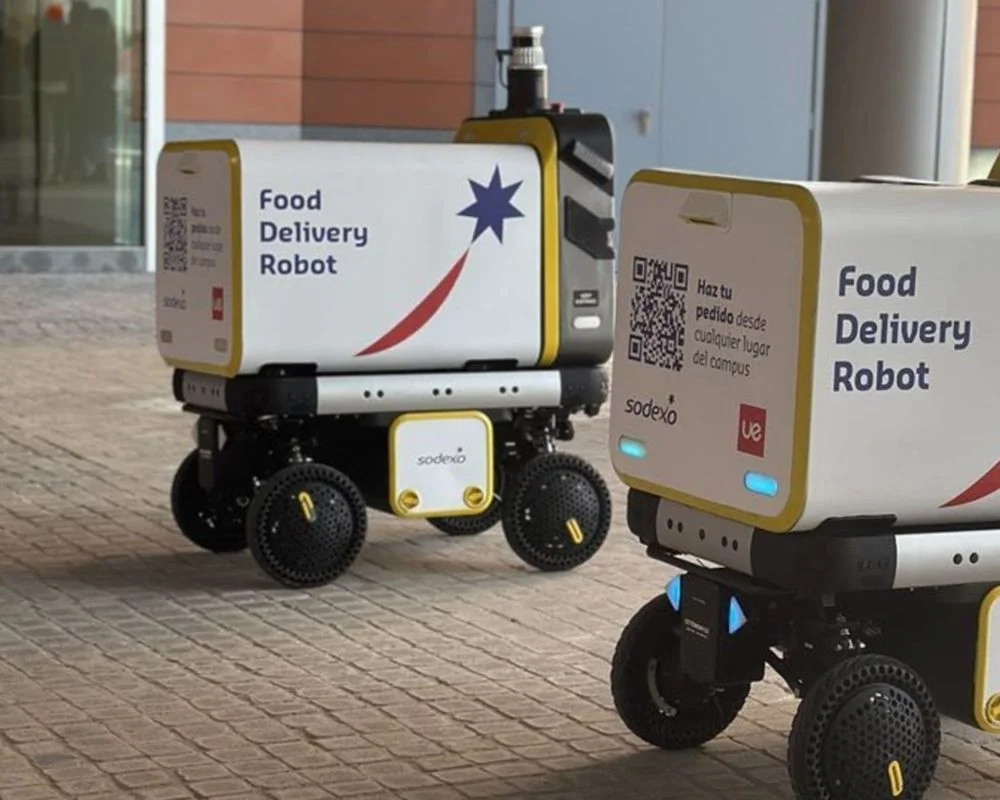
Autonomous vending robots can bring food and drinks to customers across a large venue, but they are not a plug-in solution. Before a robot can operate safely and reliably, the venue needs suitable routes, dependable connectivity and a secure place to charge and restock.
This checklist is designed for facilities managers, operations leads and procurement teams who are considering autonomous vending and want to understand what a site assessment involves. It can be worked through in a planning meeting with the people who will need to sign off on a deployment. For background on the technology itself, see our guide to how vending robots move through a venue and process sales.
Why a site assessment comes first
Every venue is different. Two hospitals of a similar size can have very different corridor layouts, lift systems and patterns of demand. A site assessment establishes three things: whether a robot can physically operate in the space, whether demand supports it, and which routes and times will give customers the most value.
A good assessment should also show when another format would work better. Not every venue suits a mobile robot, and it is better to find that out at the planning stage than after deployment.
Customer flow and demand
Where people wait, work and walk
- Identify the areas where customers or staff spend extended time, such as gate lounges, waiting rooms, study spaces or break rooms.
- Measure the walking distance from those areas to the nearest café, shop or vending machine.
- Note any areas with no convenient food access at all.
- Consider who the customers are: travellers, patients and visitors, students, staff or a mix.
Peak times and after-hours gaps
- Record when demand peaks and whether it moves between areas during the day.
- List the hours when existing food outlets are closed.
- Note seasonal or event-driven changes, such as exam periods, holiday travel or major events.
Routes and physical access
Corridor width and pedestrian clearance
- Confirm that corridors and concourses on the proposed route leave enough room for the robot to pass people comfortably.
- Identify pinch points such as narrow doorways, queue lines, fixed furniture and temporary displays.
- Note areas that become crowded at particular times, as these may need to be avoided during peaks.
Floor surfaces, ramps and thresholds
- Check that floors along the route are smooth and level.
- Note thick carpet, steep ramps, raised thresholds, floor grates and expansion joints that could affect movement.
Doors, lifts and multiple levels
- List every door on the route and whether it opens automatically.
- If the robot needs to change levels, confirm the lift model and whether integration is technically possible.
- Consider whether a single busy level could be served by the robot, with other levels covered by fixed formats.
Indoor and outdoor areas
- Identify any outdoor sections, covered walkways or areas exposed to weather.
- Note outdoor surfaces such as pavers, gravel or slopes, as suitability depends on the robot model.
Connectivity and payments
- Confirm reliable mobile or wifi coverage along the full route, including lift lobbies and lower levels.
- Identify any known dead spots.
- Confirm that the network can support cashless payment authorisation and remote monitoring.
Connectivity matters because the robot relies on it for payments, stock reporting and status monitoring. A route that looks ideal on a floor plan can still be unsuitable if coverage drops out in key areas.
Charging, restocking and storage space
- Nominate a secure location with power where the robot can charge.
- Identify a restocking area, ideally near a loading dock or storage room, with refrigeration available if fresh food will be sold.
- Confirm access arrangements for service staff, including after hours if needed.
- Agree on cleaning responsibilities for touchscreens and compartments.
Ongoing servicing is what keeps any unattended retail format working well. The same principles apply to robots as to fixed equipment, as outlined in our article on how planned maintenance keeps vending equipment reliable.
Safety, approvals and stakeholders
- Involve the relevant teams early: facilities, work health and safety, security, cleaning and IT.
- In hospitals, include clinical leadership; in shared buildings, include building management and tenants where relevant.
- Agree on exclusion zones, such as emergency exits, clinical spaces and back-of-house areas.
- Plan how the robot will be managed during an alarm or evacuation.
- Clarify responsibilities under the service agreement, including insurance and incident reporting.
Bringing these stakeholders in at the start avoids delays later. It also means route decisions reflect how the venue actually operates day to day.
What affects the cost of a deployment
There is no single price for autonomous vending, because each deployment is shaped by the venue. The main factors include:
- Robot configuration, including refrigeration and compartment layout
- Navigation setup and mapping of the operating area
- The number of routes, levels and any lift or door integration
- The product range and how often it needs replenishing
- The service model, including who handles restocking and cleaning
- Connectivity and ongoing technical support requirements
A tailored proposal following a site review gives a far clearer picture than any general estimate. Qualityvend's fully managed autonomous vending service is structured around that review, with assessment, stocking, monitoring and maintenance coordination included.
What happens after the assessment
- Site walk-through: the vending operator reviews routes, demand areas, connectivity and service access with your team.
- Proposal: a recommended route, product range and service model, along with any site requirements.
- Stakeholder sign-off: internal teams confirm routes, exclusion zones and operating hours.
- Mapping and test runs: the operating area is mapped and the robot is tested on approved routes.
- Launch: the robot begins serving customers, with stock and performance monitored remotely.
- Ongoing optimisation: sales data is used to refine the range, routes and operating times.
When another format makes more sense
If the assessment shows that demand is concentrated in one or two locations, a fixed format will often serve customers more efficiently. An AI smart fridge that stays in one location suits busy break rooms with demand for fresh meals, while a self-service micro market suits sites with high foot traffic and appetite for a wider range. Many venues combine formats, using a robot to reach the areas fixed outlets cannot.
Frequently asked questions
Who should be involved in a site assessment?
Facilities management, work health and safety, security, cleaning and IT should all be involved. Depending on the venue, clinical leaders, building management or tenants may also need to be consulted.
Does the robot need wifi?
The robot needs reliable connectivity along its route for payments and remote monitoring. This may be provided through mobile networks, venue wifi or a combination, depending on the robot and the site.
Can a robot operate in a multi-level building?
Some robot configurations can work with lifts, but this depends on the robot, the building and the lift system. Multi-level operation is assessed as part of planning, and in some venues a single-level route is the more practical option.
What if part of our venue is unsuitable?
Unsuitable areas can be excluded from the route. If the remaining areas do not justify a robot, the assessment can recommend fixed formats instead.
Who restocks the robot?
Under a fully managed service, the vending operator handles restocking. The service arrangement will set out how and when this happens, including any access requirements at the venue.
Using this checklist
Working through this checklist will not replace a professional site assessment, but it will help your team understand what is involved and spot potential issues early. It also gives you a clear set of questions to raise with any autonomous vending provider, so the conversation starts from how your venue actually works.