
How Professional Vending Machine Maintenance Improves Reliability
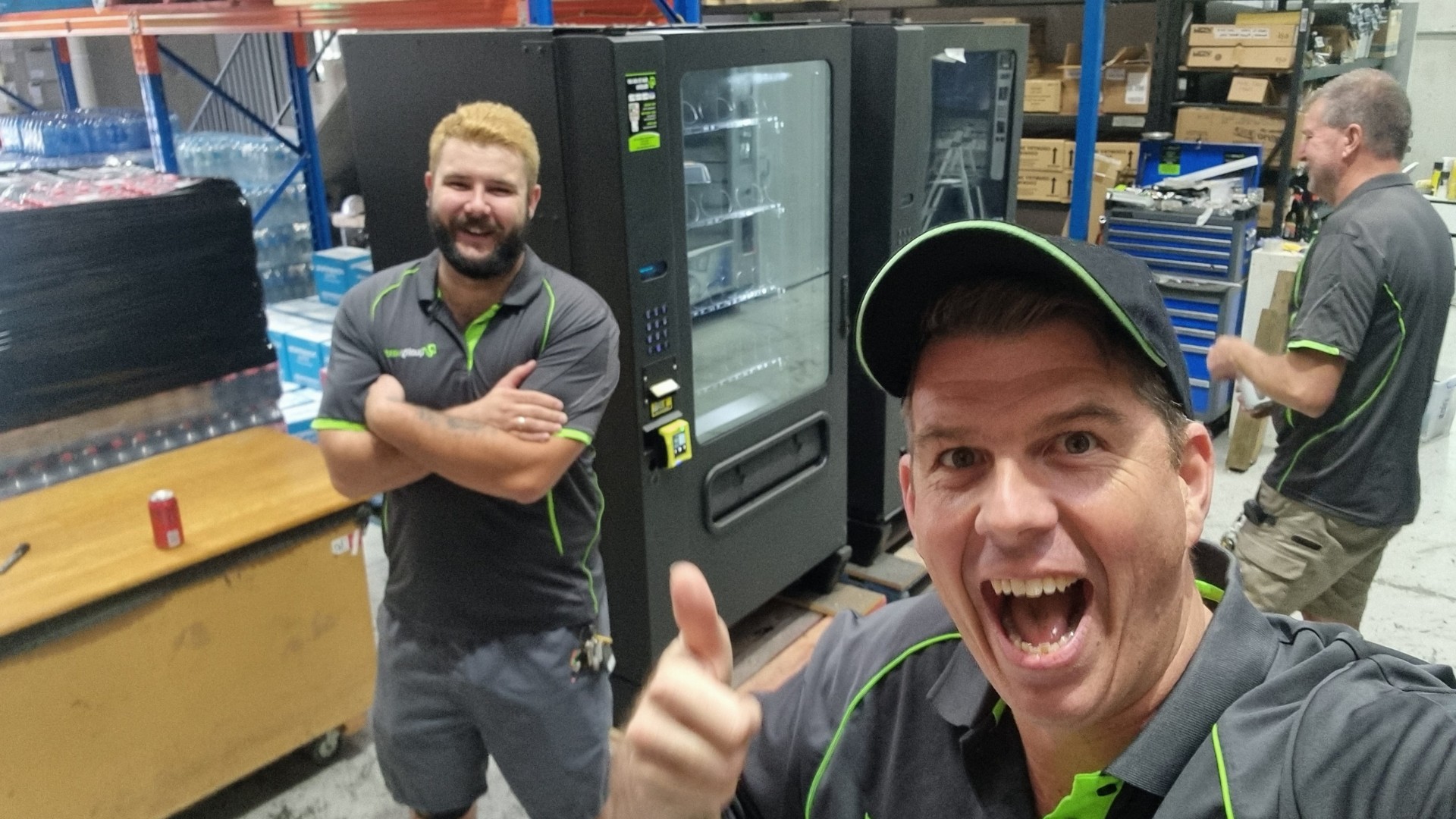
A vending machine only adds value when it works. When a machine is stocked, running smoothly and ready to take payment, it becomes a quiet, dependable part of the workday. When it is out of order, empty or slow to respond, it does the opposite. It creates frustration, generates complaints and undermines confidence in the service.
For Australian businesses that rely on vending as part of their everyday food and beverage offering, reliability is not a nice-to-have. It is the whole point. This is where vending machine maintenance earns its keep. Consistent, professional servicing is what keeps a machine available, accurate and worth having in the first place. This article explains why reliability matters, what typically goes wrong, and what a professional vending machine service should cover to keep your machines dependable year round.
Why Vending Machine Reliability Matters
In an office, warehouse, hospital or gym, a vending machine is often the most convenient food and drink option on site. People come to rely on it, and that reliance is exactly why an unreliable machine is felt so quickly.
Reliability matters for several practical reasons:
- Employee and customer experience. A working machine is a small daily convenience that staff and visitors appreciate. A broken one becomes a recurring irritation and a symbol of things not being looked after.
- Availability and convenience. The value of vending is that it is there when people want it, including outside canteen hours or on night shift. Downtime removes that convenience at the exact moment it is needed.
- Lost sales. Every hour a machine is jammed, empty or refusing payment is an hour of missed transactions. Over a month, repeated small outages add up to meaningful lost revenue.
- User confidence. Once someone loses money in a machine or finds it empty twice in a row, they stop trying. Rebuilding that trust is far harder than maintaining it.
- A professional amenity. Well-kept machines reflect well on the organisation. Neglected ones send the opposite message to staff, clients and visitors.
Reliability, in short, is what turns a vending machine from a piece of equipment into a service people trust.
What Causes Vending Machine Problems?
Most vending faults are not random. They come from predictable sources, and nearly all of them are easier to prevent than to fix after the fact. Common causes include:
- Mechanical wear. Motors, coils, belts and dispensing mechanisms wear over time, causing products to stick, drop incorrectly or fail to vend.
- Payment system problems. Card readers, note validators and coin mechanisms are among the most common failure points. With most transactions now cashless, a faulty reader can take a whole machine offline.
- Refrigeration issues. A failing compressor, blocked condenser or dirty coil can raise temperatures in units holding cold drinks or chilled food, spoiling stock and creating food safety risks.
- Product dispensing faults. Worn spirals, misaligned trays or poor loading cause products to hang or drop unreliably, which triggers refund requests.
- Software and connectivity problems. Modern machines run on software and often connect to a network. Glitches, failed updates or dropped connections can disrupt payments and reporting.
- Poor cleaning. Dust and grime affect coin paths, sensors and cooling systems, shortening component life and looking unappealing.
- Inadequate servicing. Behind many of the above is simply a lack of regular, competent servicing, which lets small issues escalate.
Reliability problems, in other words, are usually maintenance problems in disguise.
What Does Professional Vending Machine Maintenance Include?
Professional maintenance is more than fixing a machine when it breaks. It is a planned program designed to keep equipment in good working order and catch faults before they affect users. A thorough vending machine service typically covers:
- Preventative maintenance. Scheduled visits to inspect, clean, adjust and service the machine on a regular cycle rather than waiting for a breakdown.
- Cleaning. Internal and external cleaning of surfaces, trays, coin paths, sensors and cooling components to protect hygiene and performance.
- Mechanical inspections. Checking motors, spirals, belts and dispensing mechanisms for wear, and adjusting or replacing parts before they fail.
- Payment system checks. Testing card readers, note acceptors and coin mechanisms to confirm every payment method works reliably.
- Refrigeration checks. Inspecting compressors, coils, seals and temperatures to keep chilled products cold and safe.
- Software and connectivity checks. Confirming firmware is current, telemetry is reporting and network connections are stable.
- Repairs and replacement of worn components. Swapping out ageing parts proactively so a minor issue does not become a full outage.
- Stock and product checks. Reviewing product levels, rotation and condition so machines stay well stocked with fresh, in-date items.
Together, these steps keep a machine dependable across payment, dispensing, cooling and presentation, the areas users notice most.
Preventative Maintenance vs Reactive Repairs
There are two broad ways to look after a vending machine. The first is reactive: wait until something breaks, then call for a repair. The second is preventative: service the machine on a schedule and address wear before it causes a failure.
Reactive repairs feel cheaper because nothing is spent until something goes wrong. In practice they tend to cost more. A machine that fails without warning is out of service until a technician can attend, users are already disappointed, and stock inside a warm refrigerated unit may be lost.
Preventative maintenance takes the opposite approach. By inspecting and servicing machines on a regular cycle, technicians catch worn parts, weak payment components and early refrigeration problems before they escalate. For most businesses this is the more sensible model. It trades a small, predictable amount of routine servicing for fewer breakdowns, less downtime and longer equipment life.
How Remote Monitoring Improves Vending Machine Reliability
One of the most significant advances in commercial vending is remote monitoring, often called telemetry. Connected machines can report on their own status, which allows providers to act on problems quickly and often before anyone on site notices.
Modern monitoring can provide near real-time information on:
- Stock levels, so machines are refilled before they run empty and restocking routes are planned efficiently.
- Faults and error codes, which flag mechanical or payment issues the moment they occur.
- Machine performance, including sales patterns and which products are selling.
- Payment systems, confirming that cashless and card payments are processing correctly.
- Temperature and refrigeration, alerting the provider if a unit drifts out of its safe range.
This visibility changes maintenance from reactive to proactive. Instead of learning about a fault when a user complains, a provider can be alerted automatically and respond before the machine goes fully offline. For refrigerated machines in particular, an early temperature alert can be the difference between a quick fix and a full load of spoiled stock. Keeping cold food at or below the recommended holding temperature is a core food safety requirement in Australia, and remote temperature monitoring helps providers stay on top of it. Food Standards Australia New Zealand sets out cleartemperature control requirements for cold food, which reinforces why refrigeration reliability is not simply a convenience issue.
Why Professional Servicing Matters for Businesses
Many organisations underestimate how much work goes into keeping vending machines running well. Restocking, cleaning, payment testing, fault diagnosis and repairs all take time and expertise. When that responsibility falls on facilities or workplace teams who have plenty of other priorities, machines are often the first thing to be neglected.
Outsourcing maintenance to a professional provider removes that burden. Servicing, repairs, restocking and monitoring become someone else’s core job rather than an occasional task squeezed between everything else. For facilities managers, office managers and operations teams, this means one less thing to chase and a service they can rely on without constant oversight.
It also brings specialist knowledge. Trained technicians understand the machines, carry the right parts and can resolve issues faster than in-house staff working without the same tools or experience. The practical outcome is higher uptime and less management effort.
Choosing a Vending Machine Provider in Australia
Not all vending arrangements are equal, and the difference usually comes down to the quality of ongoing service rather than the machine itself. When evaluating a provider for your workplace, it is worth looking closely at how they handle maintenance and support. Consider whether they offer:
- Reliable, scheduled servicing rather than attending only when something breaks.
- Reasonable response times for faults, so downtime is measured in hours rather than days.
- Preventative maintenance built into their standard service, not treated as an optional extra.
- Remote monitoring so faults and low stock are picked up early.
- Product replenishment that keeps machines stocked with fresh, popular items.
- Technical support with access to parts and trained technicians.
- Experience with commercial vending machines across different sites and industries.
- Australia-wide service capability, which matters for organisations with multiple locations.
A provider that performs well across these areas will keep your machines dependable. One that treats maintenance as an afterthought will not, regardless of how new the equipment looks on installation day. This lens applies whether you are arrangingoffice vending machines for a single site or coordinating a service across several states.
How Qualityvend Manages Vending Machine Reliability
Qualityvend takes a fully managed approach to vending, which means reliability is built into the service rather than left to the customer. Itsvending machine solutions combine the equipment with the ongoing servicing, maintenance, monitoring and replenishment needed to keep it running.
In practice, that covers preventative maintenance and repairs, regular restocking, payment and refrigeration checks, and remote monitoring. The aim is straightforward: keep machines available, stocked and working so businesses do not have to manage the day-to-day running themselves.
The same approach applies across product ranges, whether a site wantshealthy vending options, everyday snacks and drinks, orchilled ready meals that depend on dependable refrigeration. In each case the machine is only part of the picture, and the service behind it is what keeps it reliable.
Conclusion
A dependable vending service depends on far more than the machine on the wall. Reliability comes from everything around it: preventative maintenance that catches wear early, cleaning that protects hygiene and performance, servicing that keeps payment and refrigeration systems healthy, remote monitoring that flags problems fast, and replenishment that keeps machines stocked.
When those elements are handled well, a vending machine simply works, day after day. When they are neglected, even the best machine becomes unreliable. For Australian businesses that want vending to be an asset rather than a recurring headache, professional maintenance is what makes the difference.
If you are weighing up a managed vending service for your workplace, it is worth exploring how a fully supported approach to vending machines can keep your equipment reliable, stocked and hassle-free.