
Office Micro Markets: A Modern Alternative to the Break Room Fridge
Office Micro Markets: A Modern Alternative to the Break Room Fridge
In today's fast-paced Australian workplaces, the traditional break room fridge is quickly becoming a relic of the past. As businesses look to improve employee satisfaction, productivity, and wellbeing, many are turning to self-service office micro markets as a practical, modern alternative. These unattended food markets offer a flexible, convenient, and hygienic alternative to communal fridges and outdated vending machines, transforming the way employees access meals and snacks throughout the workday.
What Qualityvend's Micro Market Service Includes
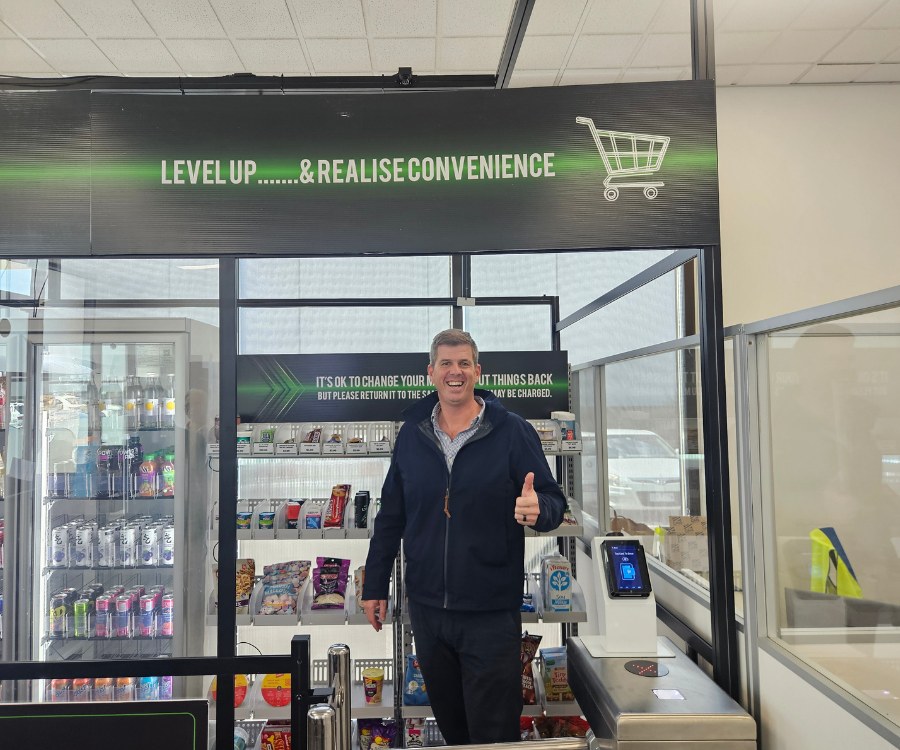
Qualityvend runs the micro market as a fully managed service, so the office isn't left handling the day-to-day. The store is installed in your space, with open shelving, refrigerated and ambient displays, and cashless self-checkout payment technology. From there, Qualityvend looks after the parts that usually make a food amenity a hassle:
- Stocking and restocking: The range is kept full and fresh through the week, so staff aren't met with empty shelves.
- A range tailored to your site: The product mix is built around your headcount, space, and how your team eats, from fresh meals and healthy options to the treats that actually move.
- Cleaning, maintenance, and tech support: The displays and self-checkout are looked after, so a fault isn't the office manager's problem to chase.
- Secure, cashless checkout: Staff pay by card or mobile wallet at a monitored kiosk, with no cash handling on-site.
Why Are Micro Markets Replacing the Break Room Fridge?
The communal fridge has long been a staple of Australian offices, but it comes with a host of challenges: overcrowding, forgotten leftovers, hygiene concerns, and limited food variety. Micro markets address these issues while offering additional benefits that align with modern workplace needs.
Hygiene and Food Safety
Shared fridges can quickly become breeding grounds for bacteria, especially when food is left unattended or forgotten. Micro markets, by contrast, are professionally managed and regularly restocked, so every item is fresh, labelled, and stored at the correct temperature. This reduces the risk of foodborne illness and creates a cleaner, more appealing break room environment.
Convenience and Variety
Employees no longer need to bring lunch from home or leave the office to find a decent meal. Micro markets offer a curated selection of fresh food, snacks, and beverages that suits a range of tastes and dietary requirements. Whether it's a quick breakfast, a nutritious lunch, or an afternoon pick-me-up, staff have access to quality options without leaving the workplace.
Supporting Flexible Work Patterns
With the rise of hybrid work and flexible hours, not everyone is on-site at the same time. Micro markets provide round-the-clock access to food and drinks, supporting early starters, late finishers, and shift workers alike. This is particularly valuable in large offices, call centres, and workplaces with extended operating hours.
Practical Benefits for Australian Offices
Enhancing Employee Satisfaction
A well-stocked micro market can noticeably improve the workplace experience. Employees value having fresh, healthy food on hand, and that convenience lifts morale and job satisfaction. A good micro market becomes part of the overall employee experience, too, which matters when you're competing for talent in tight markets like Sydney and Melbourne.
Boosting Productivity
When employees have easy access to nutritious meals and snacks, they're less likely to skip meals or reach for unhealthy options. That tends to mean better concentration, steadier energy levels, and fewer afternoon slumps. With food available on-site, staff also spend less time leaving the office for lunch, which keeps breaks shorter and workdays more productive.
Promoting Workplace Wellbeing
Micro markets can support workplace wellbeing initiatives by offering plenty of healthy choices, including salads, wraps, protein-rich snacks, and low-sugar beverages. Some providers even partner with brands like My Muscle Chef to supply high-protein, ready-made meals tailored to active lifestyles. By making healthy eating part of the working day, a well-curated market can improve employee wellbeing and nutrition and help foster a healthier culture across the team.
How Micro Markets Work in Practice
Seamless Self-Service Experience
On entering the micro market, employees browse open shelves and refrigerated displays, selecting items at their own pace. Once they've made their choices, they scan each item at the self-checkout kiosk and pay by card or mobile wallet. The process is quick, intuitive, and needs no cash or staff supervision.
Regular Restocking and Maintenance
Professional micro market providers manage inventory, restocking shelves and fridges with fresh products several times a week. This keeps quality and variety consistent while reducing the administrative burden on office managers. Because the restocking and ongoing maintenance sits with the provider, in-house teams are also freed from cleaning and from supporting the self-checkout systems.
Customisation for Each Workplace
Micro markets can be tailored to suit each office. A Sydney law firm might prioritise premium coffee and gourmet salads, while a Melbourne tech company leans toward plant-based snacks and energy drinks. That flexibility is a big part of why micro markets have caught on with organisations wanting to lift their amenities without committing to a staffed café.
Comparing Micro Markets and Traditional Vending Machines
While both micro markets and vending machines offer unattended food solutions, there are some key differences:
- Product range: Micro markets offer a broader selection, including fresh meals, salads, and specialty items not typically found in vending machines.
- User experience: Open shelving and self-checkout kiosks create a more inviting, retail-like environment.
- Payment options: Both support cashless payments, but micro markets often provide a more seamless, app-integrated experience.
- Flexibility: Micro markets can be scaled to fit small offices or large corporate campuses, with layouts customised to the available space.
For workplaces wanting a more comprehensive food service, a micro market is a clear step up from a traditional vending machine. Deciding between micro markets and traditional vending machines usually comes down to your floor area, headcount, and how your team eats across the day, and a vending machine can still make sense for smaller offices or spots with very limited space.
Real-World Scenarios: Micro Markets in Action
Scenario 1: Enhancing the Break Room in a Sydney Office
A mid-sized marketing agency in Sydney wanted to improve its employee amenities without the overhead of a staffed cafeteria. By installing a micro market, the agency gave staff access to fresh sandwiches, salads, and barista-quality coffee. Employees reported higher satisfaction, and the company noticed a drop in time spent off-site during lunch breaks.
Scenario 2: Supporting Flexible Work in a Melbourne Tech Hub
A Melbourne-based tech company with a hybrid workforce needed a food solution that worked for both early risers and late-night developers. Its micro market, stocked with healthy snacks, protein meals, and energy drinks, became a popular gathering spot. The self-service model let staff grab meals at any hour, supporting both productivity and collaboration.
Scenario 3: Promoting Wellbeing in a National Call Centre
A national call centre operating 24/7 faced challenges with staff wellbeing and meal availability during night shifts. By partnering with a micro market provider, the centre offered nutritious, ready-to-eat meals and snacks around the clock. This improved staff morale and supported the company's broader health and wellbeing initiatives.
Implementing a Micro Market: Key Considerations
Space and Layout
Micro markets need more room than a standard vending machine, but they adapt to most break rooms or communal areas. Providers will assess the available space and recommend layouts that maximise product visibility and accessibility.
Product Selection
Think about the dietary preferences and needs of your staff. A mix of healthy options, indulgent treats, and specialty items keeps the range broadly appealing. A good provider will help you balance salads, wraps, protein meals, and low-sugar drinks against the occasional treat, so there's something for everyone without the shelves feeling like a health-food aisle.
Security and Payment
Modern micro markets use secure self-checkout systems with surveillance to minimise theft and ensure accountability. Cashless payments streamline transactions and cut out on-site cash handling.
Ongoing Management
Partnering with an experienced provider ensures regular restocking, maintenance, and support, which frees office managers to focus on their core responsibilities. Much of the long-term value comes down to choosing the right micro market partner, since the provider shapes the product range, service reliability, and the overall experience for staff.
The Future of Workplace Food Services
As Australian workplaces keep evolving, demand for flexible, convenient, and healthy food will only grow, and micro markets are well placed to meet it.
For businesses in the harbour city,micro markets for Sydney workplaces can turn an underused break room into one of the most popular corners of the office. Further south, a Melbourne workplace micro market can be tailored to local tastes, from specialty coffee to plant-based options. And while demand is strongest in hubs like Sydney and Melbourne, micro markets suit workplaces right across Australia, from regional offices to national corporate campuses, with Qualityvend servicing sites nationwide.
According to Safe Work Australia, promoting healthy eating at work can support better employee health, lower absenteeism, and higher productivity. Micro markets give employers a practical, scalable way to support those outcomes.
Conclusion
Office micro markets are a real step forward in workplace food services, offering a practical, hygienic, and flexible alternative to the break room fridge. With fresh food, cashless convenience, and round-the-clock access, they improve the employee experience and support a healthier, more productive workplace. As more Australian businesses make the switch, the humble office fridge may soon be a thing of the past.