
Healthy Vending on Campus: Supporting Student Wellbeing and Focus
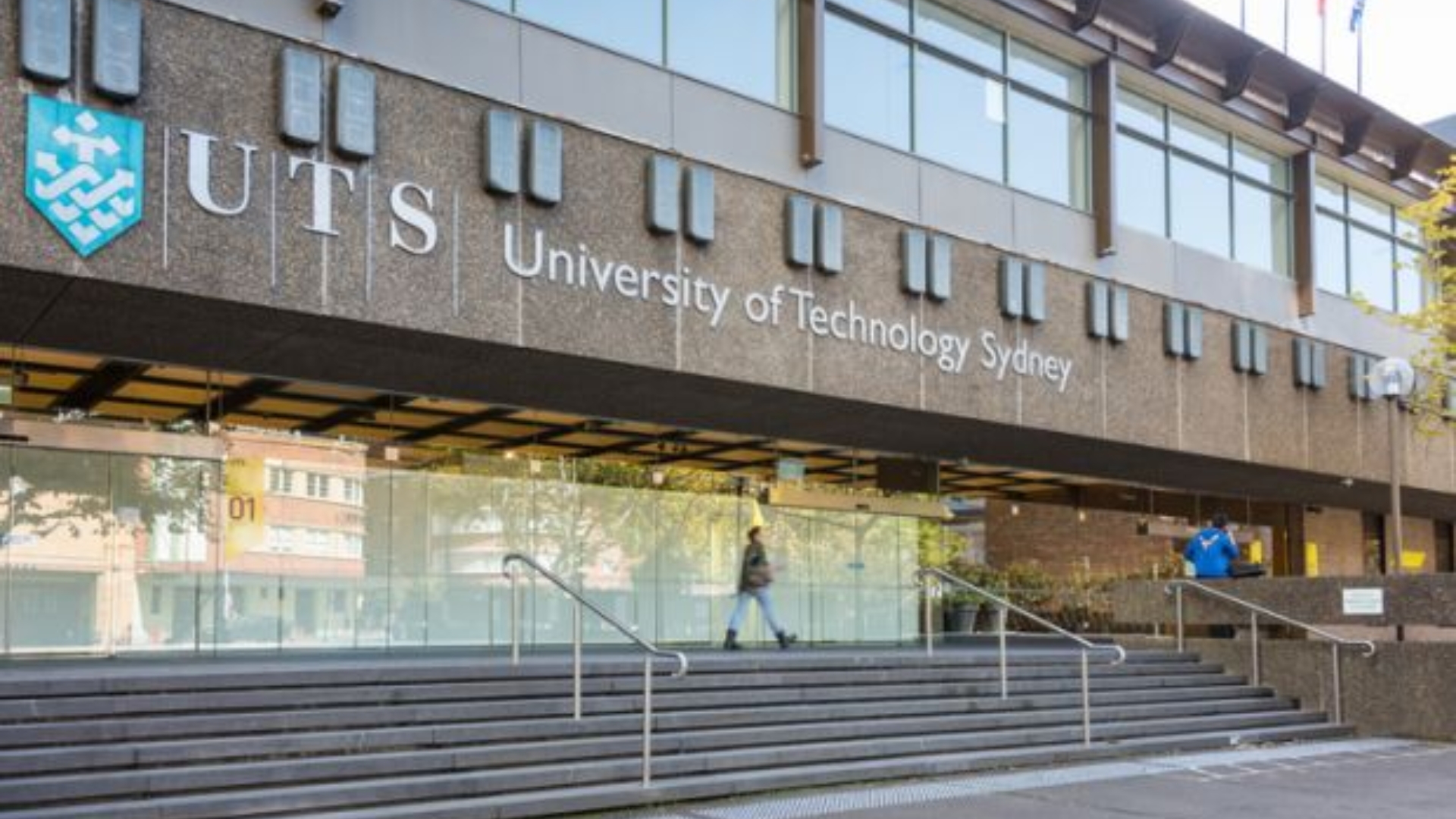
Campus life rarely runs to a neat schedule. Lectures stretch past meal times, labs run late, library sessions blur into the evening, and the café that seemed conveniently placed at 9am has its shutters down by the time hunger actually strikes. For Australian universities, TAFEs and private colleges, the gap between when students need food and when food is available has become a recognised wellbeing issue rather than a minor inconvenience.
Healthy campus vending sits in that gap. Modern machines and micro markets are no longer limited to confectionery and soft drink. They can hold chilled meals, high-protein snacks, cold water, yoghurt and fruit, available at 2pm or 2am without a staff member on site. Used thoughtfully, they make it easier for students to eat something reasonable between commitments, which in turn supports concentration, mood and general wellbeing across a demanding semester.
This article looks at what healthy campus vending involves in practice, how to match products and placement to the way campuses actually operate, and what facilities teams should weigh up before rolling out a program.
Why Campus Food Access Affects Wellbeing and Concentration
Students are among the most time-poor and budget-conscious groups on any site. Many combine full-time study with part-time work, long commutes and irregular timetables. When food is hard to find, the default becomes skipping meals or buying whatever is closest, which is not always the most nourishing option available.
The effects are familiar to anyone who has taught a late-afternoon tutorial. Energy drops, attention wanders and patience runs short. TheAustralian Dietary Guidelines published by the National Health and Medical Research Council identify regular intake of nutrient-dense foods and adequate hydration as fundamentals of everyday health, and campuses are one of the environments where those fundamentals are most easily disrupted.
Improving food access on campus is therefore not only a hospitality question. It forms part of the broader student support picture, alongside mental health services, study spaces and academic assistance.
When Staffed Outlets Cannot Cover the Timetable
Campus food outlets are built around predictable peaks. Vending covers the periods in between. The gaps are usually consistent from one institution to the next:
- Early mornings. Students travelling long distances by train or bus often arrive well before cafés open.
- Late evenings. Library and computer lab sessions frequently run past 9pm, long after food outlets close.
- Weekends and exam blocks. Intensives, revision periods and postgraduate research continue when much of the campus is otherwise shut.
- Restricted-access environments. Clinical placements, nursing simulations and engineering labs allow only short supervised breaks, with little time to leave the building.
- Semester breaks. Reduced trading hours leave researchers, higher-degree students and support staff with limited choices.
Covering these windows is where a well-planned vending program contributes most.
What Healthy Campus Vending Looks Like in Practice
The term "healthy vending" is used loosely, so it helps to be specific. In a campus context it generally means a product range weighted towards chilled, fresh, higher-protein and lower-sugar options, with clear nutritional information and pricing students can realistically afford.
Chilled Meals for Long Days on Site
Refrigerated machines have changed what is possible. Ready-made meals, salads, wraps and protein-focused options can be held safely and dispensed at any hour. For a student who has gone six or seven hours without eating, a proper meal matters considerably more than a snack.
Chilled ready-meal ranges commonly publish macronutrient information on the pack, which suits sports science students, gym users and anyone tracking their intake;My Muscle Chef vending machines are one example of this format. Ambient, shelf-stable meal ranges serve a different purpose, working well where refrigeration is limited or where longer product life reduces waste during quieter teaching periods, as withPassage Foods vending machines. Most campuses end up using a combination of the two rather than committing to one.
A Balanced Range Rather Than a Restricted One
Snacking on campus is inevitable, so the practical aim is to improve the quality of the available choice rather than to remove choice altogether. Healthy vending works best when it is framed as broadening options, not policing them.
A considered range typically includes:
- Protein and wholefood options. Nuts, seeds, protein bars, yoghurt and cheese-based snacks help sustain energy between classes.
- Wholegrain and lighter items. Wholegrain bars, popcorn, rice crackers and dried fruit suit shorter breaks.
- Familiar treats in smaller proportion. Retaining a limited selection of traditional confectionery keeps the machine relevant and avoids the perception that students are being lectured to.
Removing every indulgent item tends to be counterproductive. Students simply buy elsewhere, sales data becomes unreliable, and the machine loses the foot traffic that makes the healthier lines viable. A dedicated selection ofhealthy vending machines makes this balance easier to manage, because the planogram is built around better-for-you products from the outset rather than retrofitted later.
Hydration and Beverage Options
Inadequate hydration is commonly associated with headaches and reduced concentration, and it is easy to overlook in air-conditioned lecture theatres and warm workshop spaces. Chilled water, sparkling water, no-sugar options, milk-based drinks and coffee should be straightforward to find. Positioning drink machines near gyms, sporting facilities and outdoor teaching areas addresses the highest-demand points on most campuses.
Matching Machines to Campus Zones
A single machine in a student union building will not meaningfully change food access across a large site. Effective programs distribute equipment according to how people move and where they are held in place.
- Libraries and 24-hour study spaces. Combined snack, meal and drink options suit long, stationary study sessions.
- Residential colleges. Late-night availability and a broader meal range matter here, particularly on weekends.
- Science, health and engineering precincts. Machines close to labs work best, where breaks are short and supervised.
- Sporting facilities and gyms. Protein-focused products and cold beverages see the strongest demand.
- Staff areas and faculty tea rooms. Smaller, regular usage patterns are better served byoffice vending machines configured accordingly.
Larger sites increasingly pair traditional machines with unattended micro markets, which use an open-shelf format and carry a considerably wider range. A combination ofuniversity vending machines and micro markets allows an institution to extend food access across multiple buildings without extending staffed trading hours.
Serving the Wider Campus Community
Campuses run on more than undergraduates, and food access outside standard hours affects several groups at once:
- Academic and professional staff. Marking periods, evening teaching and administrative deadlines regularly extend past outlet closing times.
- Security, cleaning and facilities teams. Overnight and early-morning shifts fall almost entirely outside staffed food service.
- Researchers and higher-degree candidates. Laboratory work and fieldwork often continue through semester breaks and public holidays.
- Contractors and maintenance crews. Construction and upgrade works are frequently scheduled for quieter periods, when few outlets are trading.
- Conference delegates and campus visitors. Events, open days and community bookings bring in people unfamiliar with the site who need clearly located options.
Because vending operates unattended, a single installation can serve all of these groups across a full 24-hour cycle, which improves the return on the floor space allocated to it.
This is particularly relevant for metropolitan institutions operating across dispersed precincts. Universities with several campuses often standardise their program, drawing onSydney vending machines andMelbourne vending machines services so that product ranges, payment systems and service levels stay consistent between sites.
Practical Considerations for Facilities Teams
Payment Methods and After-Hours Access
Students rarely carry cash. Cashless payment via card, phone or wearable is now a baseline expectation, and machines should sit in areas that remain accessible and well-lit after hours without compromising building security. Where after-hours swipe access applies, placing machines inside the secured zone keeps them useful to the people most likely to need them.
Restocking, Data and Waste Reduction
Campus demand is seasonal in a way few other environments are. Volume surges during teaching weeks and drops sharply over breaks. Machines with remote monitoring allow stock levels to be tracked and restocking scheduled around that rhythm, reducing both stockouts during peak weeks and spoilage during quiet ones. Sales data also indicates which healthier lines are genuinely selling, so the range can be refined against evidence rather than assumption.
Pricing and Student Perception
Price sensitivity is high. Where a healthier option costs noticeably more than the confectionery beside it, uptake tends to suffer and the program can be perceived as symbolic. Some institutions subsidise selected lines, such as water or chilled meals, through student welfare funding. Others negotiate pricing tiers with their provider. Either approach is generally more effective than a range that reads well in a policy document but sits unsold in the machine.
Building a Program That Lasts
Campus vending programs that hold up over several years tend to share a few characteristics:
- They begin with a needs review. Placement follows where and when food access actually fails, rather than where a machine happens to fit most easily.
- They consult the people using them. Student associations and campus health services offer useful input on the product range and on pricing expectations.
- They are reviewed each semester. Sales data is used to adjust the mix, retire slow lines and expand what works.
- They are treated as infrastructure. Clear ownership of servicing, restocking and fault reporting prevents machines from quietly falling out of use.
Institutions comparing equipment across a portfolio of buildings will find it useful to review the full range ofcommercial vending machines available, since refrigerated, ambient, combination and micro market formats each address slightly different problems.
Final Thoughts
Healthy campus vending will not transform student nutrition on its own, and it is better not to present it as though it might. What it can do is remove one recurring obstacle: the long gap between a student's last meal and their next realistic chance to eat. That gap affects concentration in afternoon tutorials, energy during evening study and wellbeing across an intense semester.
For Australian universities and colleges considering how to support students practically rather than symbolically, extending reliable access to chilled meals, better-quality snacks and cold water is a straightforward and measurable place to start.