
School Vending Machines in Australia: What You Need to Know
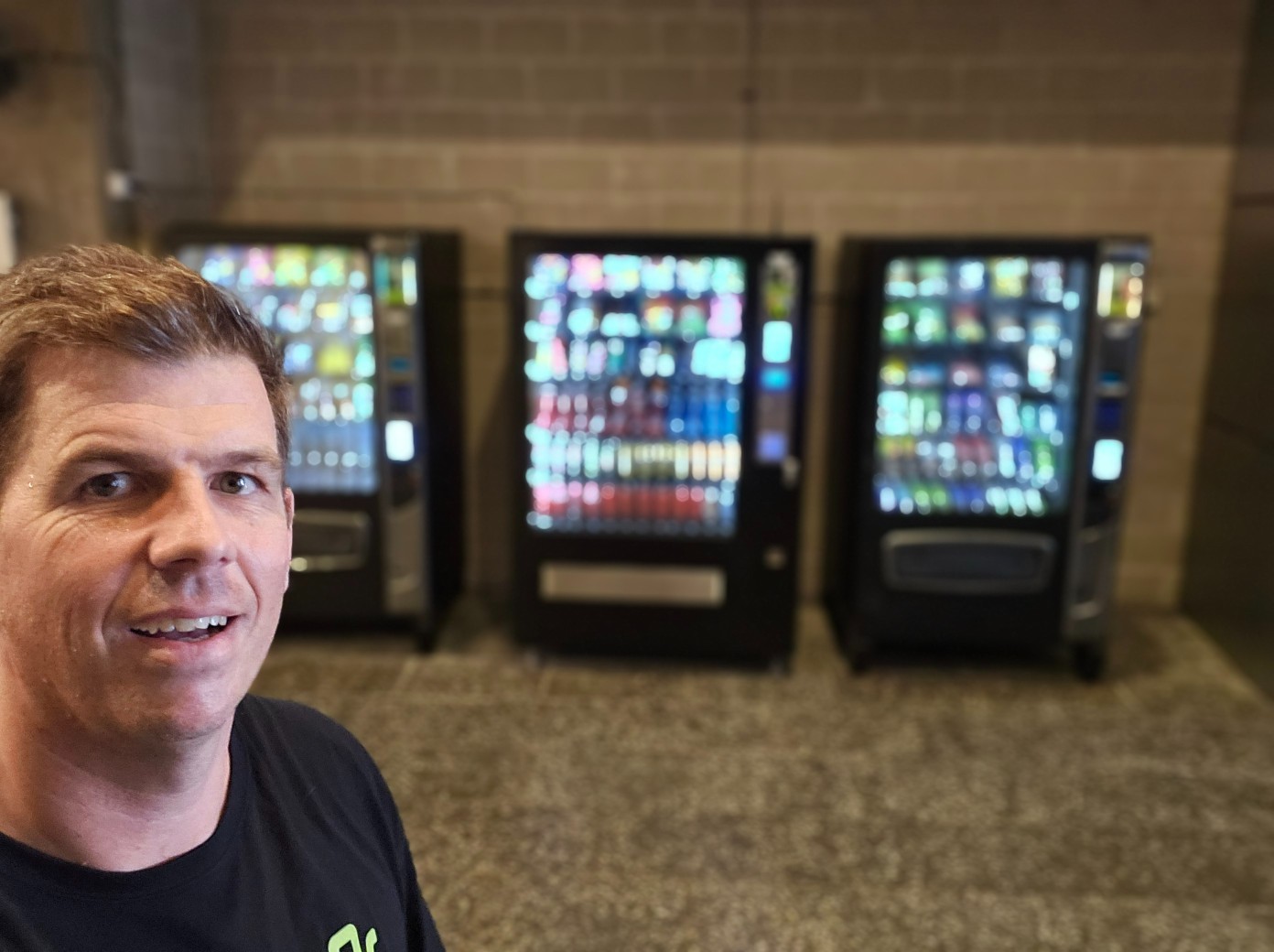
Vending machines have become a familiar sight in Australian schools, offering students and staff convenient access to snacks, drinks, and even healthier meal options. As the landscape of school nutrition and student wellbeing evolves, so too does the role of vending machines on campus. This article explores what school administrators, parents, and educators need to know about school vending machines in Australia, including regulations, healthy choices, practical considerations, and the latest trends in vending machine solutions.
The Role of Vending Machines in Australian Schools
Vending machines in schools serve a practical purpose: they provide quick, accessible food and drink options for students and staff throughout the school day. With busy schedules and limited canteen hours, vending machines can help bridge the gap, especially during recess, lunch breaks, or after-school activities.
However, the presence of vending machines in educational settings also raises important questions about nutrition, student wellbeing, and responsible vending. Schools must balance convenience with their duty to promote healthy eating habits and support the overall health of their students.
Understanding School Nutrition Guidelines
Australian schools are guided by state and federal nutrition policies that aim to foster healthy eating environments. These guidelines often influence what can be stocked in school vending machines. For example, the NSW Healthy School Canteens Strategy and similar frameworks in other states categorise foods and drinks as “Everyday” (healthy) or “Occasional” (less healthy), encouraging schools to prioritise nutritious options.
Key considerations include:
- Limiting sugary drinks and high-fat, high-salt snacks
- Promoting water, milk, and healthier snack alternatives
- Ensuring age-appropriate portion sizes and product selections
Schools in Sydney and Melbourne, in particular, often follow strict guidelines to ensure vending machine offerings align with local health initiatives.
Healthy Vending Machines: Meeting Modern Expectations
The demand for healthy vending machines in schools has grown significantly. Modern vending machine providers now offer a wide range of nutritious snacks, drinks, and even fresh meal options tailored to student needs.
Examples of healthy vending machine options include:
- Wholegrain snacks, popcorn, and baked chips
- Low-sugar muesli bars and fruit-based snacks
- Bottled water, flavoured milk, and 100% fruit juices
- Fresh salads, wraps, and ready-to-eat meals from brands like My Muscle Chef
By partnering with a provider that specialises in healthy vending machines for schools, schools can ensure their vending solutions support student wellbeing and comply with relevant guidelines.
Practical Considerations for School Vending Machines
When introducing or upgrading vending machines in a school environment, several practical factors should be considered:
1. Product Selection and Stock Management
Choosing the right mix of products is crucial. Schools should regularly review sales data and student feedback to ensure the vending machine remains relevant and appealing. Seasonal changes, cultural events, and student preferences can all influence what sells best.
2. Payment Options
With the decline of cash usage among young people, cashless vending machines are increasingly popular in schools. These machines accept contactless payments, making transactions faster and more secure for students and staff.
3. Machine Placement and Accessibility
Strategic placement of vending machines can maximise convenience while minimising disruption. Common locations include near the canteen, in student common areas, or close to sports facilities. Machines should be accessible to all students, including those with disabilities.
4. Maintenance and Reliability
Reliable vending machine solutions are essential in busy school environments. Regular servicing, prompt restocking, and responsive technical support help ensure machines remain operational and hygienic.
5. Security and Supervision
Schools must consider security, especially in unsupervised areas. Modern vending machines often feature robust construction and security features to deter vandalism and theft.
Responsible Vending: Supporting Student Wellbeing
Responsible vending in schools goes beyond simply offering healthier products. It involves a holistic approach to student wellbeing, including:
- Transparent labelling of nutritional information
- Age-appropriate marketing and product placement
- Collaboration with school canteens and wellbeing programs
- Encouraging water and healthy drink choices over sugary beverages
Some schools also use vending machines to support fundraising or reward programs, offering healthy snacks as part of positive behaviour initiatives.
Trends and Innovations in School Vending
The vending industry continues to evolve, with new technologies and product offerings enhancing the school experience. Notable trends include:
Smart Vending Machines
Smart vending machines use digital screens, remote monitoring, and real-time inventory tracking to improve efficiency and user experience. These features allow schools to monitor sales, adjust product selections, and receive alerts for restocking or maintenance needs.
Fresh and Ready-to-Eat Meals
Providers now offer vending machines stocked with fresh, nutritious meals suitable for students with busy schedules. For example, My Muscle Chef vending machines deliver high-protein, balanced meals that cater to active students and staff.
Local and Culturally Diverse Options
Schools in multicultural communities, such as those in Sydney and Melbourne, may choose to stock vending machines with culturally diverse snacks and meals. This approach supports inclusivity and ensures all students have access to familiar, enjoyable foods.
Sustainability Initiatives
Many schools are prioritising sustainability by choosing vending machines with energy-efficient features and recyclable packaging. Some providers also offer options for reducing food waste through smart inventory management.
Realistic Scenarios: How Schools Use Vending Machines
Scenario 1: Supporting After-School Activities
A secondary school in Melbourne installs a vending machine near the gymnasium, stocked with healthy snacks, water, and protein bars. This provides students participating in after-school sports with convenient, nutritious options to refuel before heading home.
Scenario 2: Enhancing Canteen Services
A Sydney primary school partners with a vending machine provider to supplement their canteen. The vending machine offers healthy snacks and drinks outside of canteen hours, ensuring students always have access to food, even during busy periods or special events.
Scenario 3: Promoting Healthier Choices
A regional school replaces its traditional snack vending machine with a healthy vending machine solution featuring wholegrain snacks, low-sugar drinks, and fresh fruit cups. The school works with the provider to monitor sales and adjust the product mix based on student preferences and feedback.
Choosing the Right Vending Machine Provider
Selecting a reliable vending machine provider is essential for long-term success. Key factors to consider include:
- Experience working with schools and understanding of relevant guidelines
- Ability to offer a wide range of healthy, age-appropriate products
- Flexible service agreements, including restocking and maintenance
- Transparent reporting and responsive customer support
Providers with a strong presence in major cities, such as Melbourne vending machine specialists, can offer tailored solutions and local support.
Regulations and Compliance
Schools must ensure their vending machines comply with all relevant state and federal regulations. This includes food safety standards, allergy management, and adherence to school nutrition policies. The Australian Government’s Healthy Food Partnership provides resources and guidelines to help schools make informed decisions about food and drink offerings.
Conclusion
School vending machines in Australia play a valuable role in supporting student convenience, wellbeing, and nutrition. By prioritising healthy choices, responsible vending practices, and reliable service, schools can create a positive food environment that aligns with educational goals and community expectations. Whether in Sydney, Melbourne, or regional areas, partnering with an experienced vending machine provider ensures schools can meet the evolving needs of their students and staff.