
Choosing the Right Micro Market Partner in Sydney & Melbourne
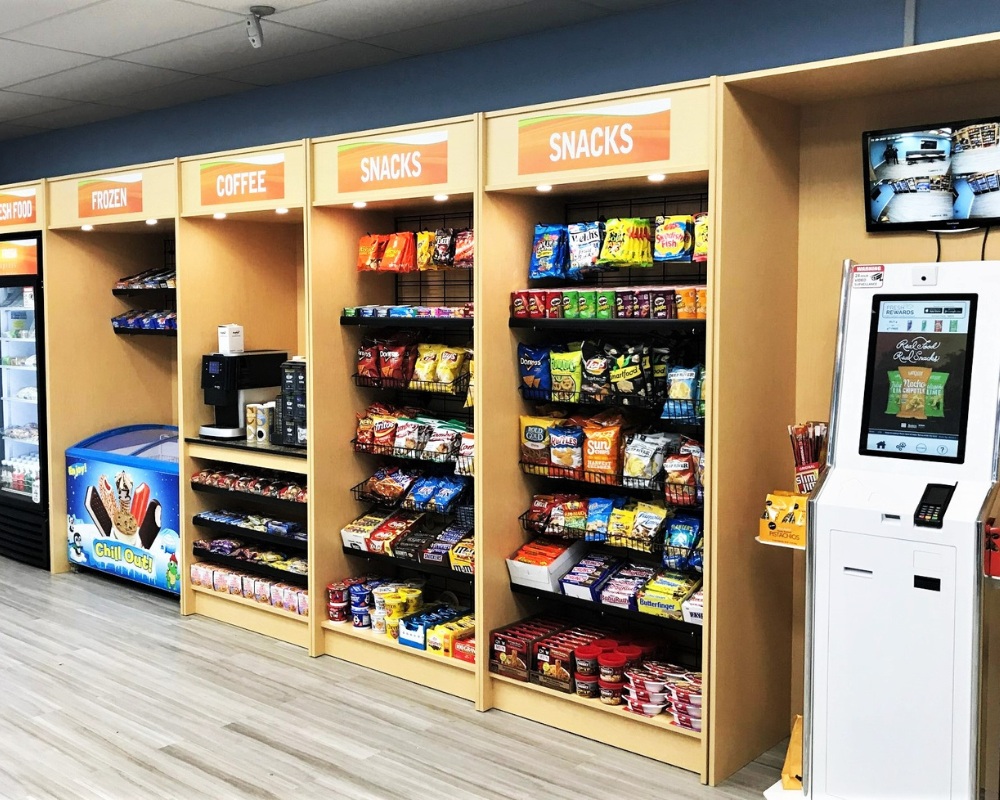
A micro market can transform how people access food and drinks throughout the day, but its success depends on more than the equipment installed. Two sites can have almost identical setups and deliver very different experiences, depending on how well the provider manages stock levels, food freshness, maintenance and technology.
For businesses that have already decided a micro market suits their site, the next decision is often the most important one: choosing who will design, install and manage it. If you are still weighing up the concept itself, our guide tohow micro markets work in the workplace covers the fundamentals. This article focuses on what to look for in a micro market partner, and the questions worth asking before you commit.
Why the Partner Matters More Than the Equipment
Most micro markets are built from similar components: open shelving, smart fridges, a self-checkout kiosk and software that tracks sales and stock. What separates a well-run market from a disappointing one is the ongoing service behind those components.
A capable partner plans the layout around how your people actually use the space, adjusts the product range as preferences become clear, and responds quickly when something needs attention. A less capable one may deliver an impressive installation, then allow stock levels, freshness and reliability to decline over the following months. Because a micro market is a long-term arrangement, the quality of that partnership will shape the employee experience well beyond the first week.
What to Look for in a Micro Market Partner
A Local Service Team
Micro markets that carry fresh food require frequent, reliable visits. A provider with its own team based in your city is generally better placed to restock on schedule, attend promptly when a fridge or kiosk needs attention, and build a working relationship with your facilities team. When assessing providers, ask where their service staff are based, who will look after your site day to day, and how they handle urgent requests.
Restocking and Fresh Food Management
Fresh meals and perishable items are often the main reason workplaces choose a micro market over a vending machine, so the provider's approach to freshness deserves close attention. A strong partner will explain how often your site will be serviced, how use-by dates are managed and rotated, and how temperature is monitored in refrigerated units. Our article onhow micro market restocking and maintenance works explains this process in more detail.
Reliable Technology and Payments
The self-checkout kiosk and smart fridges are the parts of the market your employees interact with every day, so they need to work consistently. Look for a provider that offers card and mobile wallet payments, monitors equipment remotely, and can identify faults before they become noticeable to users. For a closer look at the systems involved, see our overview ofmicro market technology for Sydney and Melbourne offices.
A Product Range That Reflects Your Workforce
Every workplace has different preferences. An office team may favour fresh salads and premium coffee, while a warehouse running multiple shifts may need substantial meals that suit early starts and late finishes. The right partner will discuss your workforce before recommending a range, accommodate dietary requirements where products are available, and refine the selection over time using sales data and staff feedback, rather than applying a standard product list to every site.
Clear Commercial Terms
Micro market arrangements vary considerably between providers, so it is important to understand exactly what is included before you proceed. Ask who owns the equipment, what the host business is responsible for, how pricing for products is set, and what the agreement says about notice periods and removal. A reputable partner will explain these terms plainly and in writing. Our guide tomicro market costs outlines the main factors that influence the overall value of a market.
Compliance, Food Safety and Insurance
Because a micro market stores and sells food on your premises, your provider should be able to demonstrate how it meets food safety and refrigeration requirements, as well as electrical and workplace health and safety standards. It is also reasonable to ask for evidence of public and product liability insurance. These details may not be visible to employees, but they protect your business and should form part of any assessment.
A Thorough Site Assessment
A micro market needs suitable floor space, power, lighting and a layout that allows people to browse and pay comfortably. A good partner will assess your site in person before recommending a configuration, consider how traffic flows through the area during peak break times, and be honest if a smaller solution, such as a vending machine or smart fridge, would serve your workplace better.
Questions to Ask Before You Choose a Provider
Before committing to a micro market partner, it is worth asking each provider the following questions:
- Where is your service team based, and who will be our main point of contact?
- How often will our market be restocked, and how is fresh food rotated?
- How are faults with fridges, kiosks or payments detected and resolved?
- Which payment methods are supported, and are there any transaction fees for users?
- How is the product range selected, and how often is it reviewed?
- What are the host business's responsibilities for space, power and access?
- What are the notice and removal terms if our needs change?
- Can you provide evidence of food safety procedures and liability insurance?
The answers will quickly show which providers are equipped to manage a micro market well over the long term.
Choosing a Local Provider in Sydney and Melbourne
For businesses in Australia's two largest cities, working with a provider that has a genuine local presence makes a practical difference. Busy CBD offices, suburban business parks and large logistics sites all depend on regular, dependable servicing, and that is far easier to deliver when the team responsible is based nearby.
Qualityvend operates directly in both cities, with dedicated local teams installing and servicing our Express Lane micro markets. Each market is designed around the workplace it serves, with fresh meals, snacks and drinks, self-checkout payments and ongoing management handled by our team. To learn more about the service in your city, explore ourSydney micro markets orMelbourne micro markets.
Is a Micro Market the Right Fit?
A micro market generally suits workplaces with enough space and staff numbers to support a broader self-service range. For smaller sites, a vending machine or combination of vending and smart fridges may be more practical. If you are unsure which option suits your workplace, our comparison ofmicro markets and traditional vending machines sets out the differences, and a good provider will give you an honest recommendation either way.
Find the Right Partner for Your Workplace
Choosing a micro market partner is ultimately a decision about service. The right provider will understand your site, maintain a fresh and relevant product range, keep the technology running smoothly and communicate clearly throughout the arrangement.
If you're considering a micro market for your Sydney or Melbourne site, contact Qualityvend to discuss your requirements and arrange a site assessment. Our team can help you determine the right setup for your available space, product needs and staff numbers.